
Project Area: Chattogram (Mirsarai, Sitakunda), Feni (Sonagazi)
Target Group: 1000 Micro-Entrepreneurs (Pisciculture sub-sector)
Project Duration: February 2025 to 30 June 2028
Goal: To support the implementation of Resource Efficient and Cleaner Production (RECP) practices in every enterprise receiving loans under the project.
Objectives:
o To adopt resource efficient, cleaner production and good aquaculture practices
o To adopt climate resilient technologies for reducing vulnerabilities
o To increase technical knowledge and capacity of the MEs
o To increase fish production and produce diversified fish product
o To facilitate high-value market accessibility
Key Activities:
- Environmental and RECP Training: Conduct specialized training to improve entrepreneurs’ understanding of environmental issues, focusing on workplace health, and sustainable production processes.
- Certification and Licensing Support: Provide training on certification and licensing to enhance the quality and marketability of green products.
- Access to Green Finance: Facilitate tailored loan schemes to support entrepreneurs in adopting RECP practices and technologies.
- Waste Management and Grants: Establish waste management facilities and provide grants to implement RECP initiatives.
- Digital Transformation: Develop and operationalize a digital platform integrating environmental and financial monitoring systems.
- Community Engagement: Form cluster-based Environmental Clubs to promote community awareness and participation.
- Market Development: Support entrepreneurs in promoting and accessing local and international green product markets.
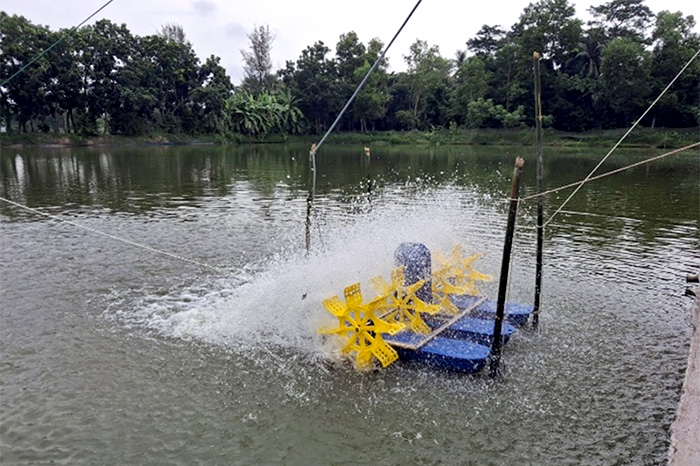
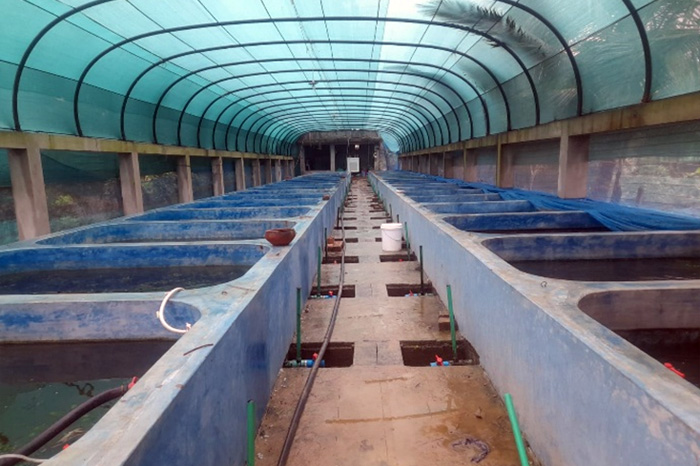
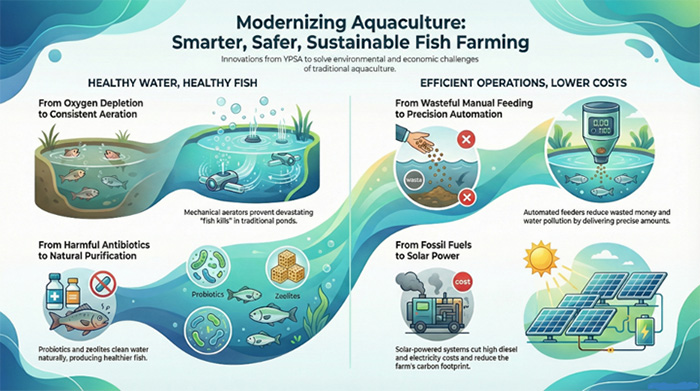
- Technical Upgradation: Provide financial and technical assistance for RECP demonstrations, skill development, and adoption of modern machinery in pisciculture.
- Gender Equality:Ensure gender balance and inclusivity across all project interventions.
- Common Service Facilities: Establish or upgradation of the Common Service Facilities.
Expected Outcomes:
- Enhanced environmental and climate awareness among micro-entrepreneurs.
- Expansion of eco-friendly production and sustainable waste management practices.
- Improved technical and technological capacities of entrepreneurs.
- Operationalization of a digital monitoring and reporting system.
- Growth of green markets and increased income opportunities for entrepreneurs.
- Development of climate-resilient and sustainable production systems.