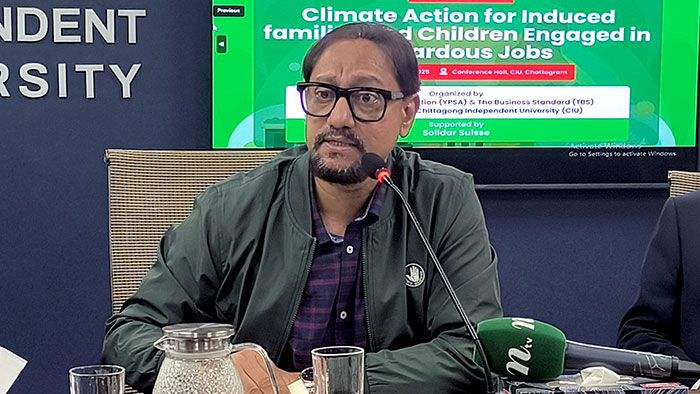
People displaced by climate change and natural disasters, including children involved in hazardous labour, should be rehabilitated and supported in their areas of origin rather than being forced to migrate to major cities, said Chattogram City Corporation Mayor Dr Shahadat Hossain on Tuesday. He warned that Chattogram is already overburdened and cannot accommodate further population influx.
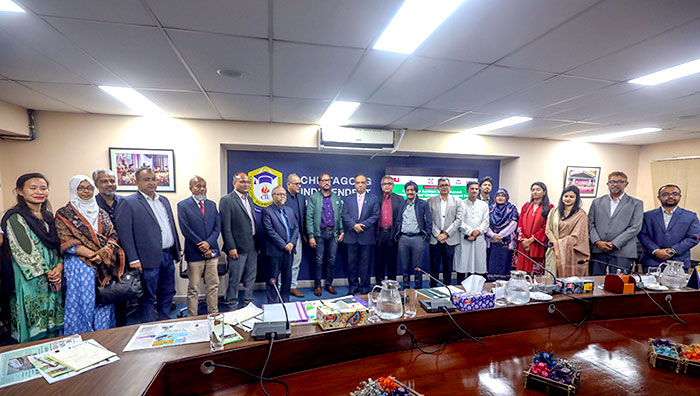
Speaking as the chief guest at a roundtable discussion titled “Climate-displaced families and elimination of hazardous child labour”, Dr Shahadat said Chattogram currently hosts around six million people and lacks the capacity to absorb another large wave of climate migrants. The event was jointly organised by Young Power in Social Action (YPSA) and The Business Standard at Chittagong Independent University (CIU), with support from Solidar Suisse, the Swiss Agency for Development and Cooperation (SDC), and the Climate Action at Local Level (CALL) Programme.

The roundtable focused on addressing hazardous child labour among climate-displaced families, ensuring child protection, and promoting long-term resilience and sustainable livelihoods.
The session was chaired by YPSA Chief Executive Officer Md Arifur Rahman and moderated by The Business Standard’s Chattogram Bureau Chief Shamsuddin Ilias. YPSA Head of Advocacy Md Ali Shaheen presented the keynote paper, highlighting existing initiatives to eliminate child labour among climate-affected communities, as well as key challenges and policy gaps.
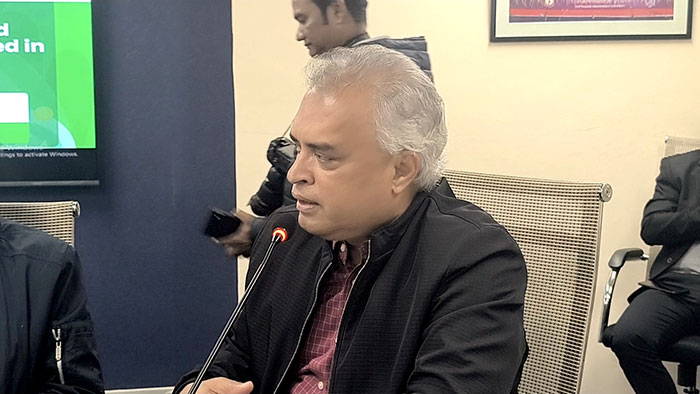
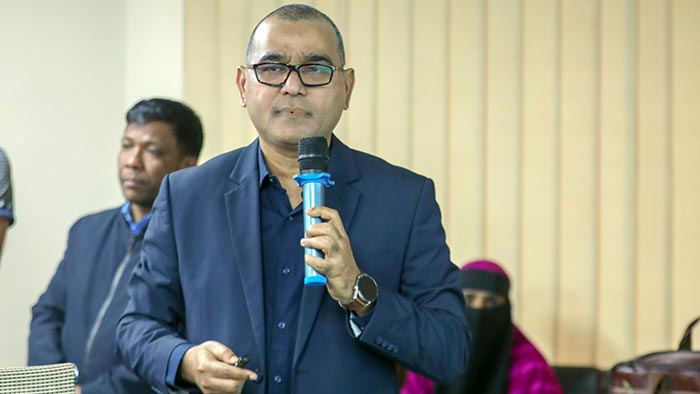
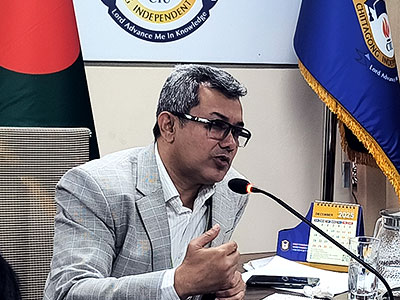
Dr Shahadat noted that people displaced by cyclones, floods, and river erosion are migrating to Chattogram from both coastal and inland regions. He stressed that rehabilitating affected families in their own localities is the most effective way to ease pressure on urban centres. He also expressed concern over the growing number of climate-displaced children living on pavements and in informal settlements, warning that prolonged neglect increases the risk of crime and social instability.
The mayor further questioned the limited access to international climate compensation, stating that weak advocacy and governance challenges often prevent funds from reaching affected communities. He also emphasised that planned urban development is not possible without an accountable and coordinated city government system, calling for an integrated city governance model.
In his keynote, Md Ali Shaheen said Bangladesh is among the world’s most climate-vulnerable countries, with nearly 700,000 people displaced every year due to floods, cyclones, and river erosion. Many displaced families migrate to cities and enter informal and hazardous occupations, where child labour is on the rise. He noted that around 3.5 million children in Bangladesh are engaged in child labour, including over one million in hazardous work, with most being out of school.
Climate expert Md Shamsuddoha, Executive Director of the Centre for Participatory Research and Development, said climate adaptation planning has often prioritised infrastructure over people, particularly neglecting women and children. He stressed the need for child-centred adaptation strategies and proposed satellite settlements for climate-displaced populations to reduce pressure on major cities.
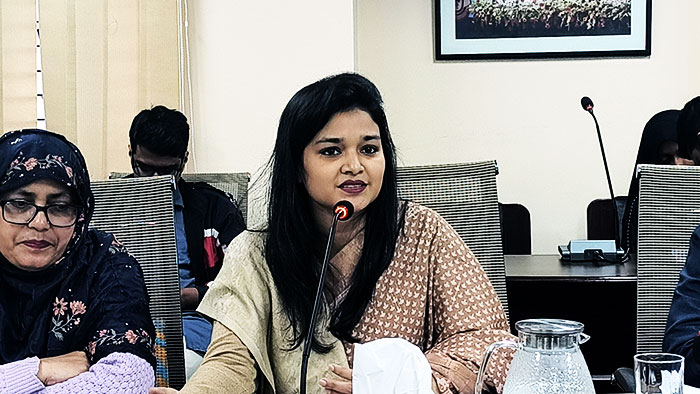
Other speakers highlighted the importance of utilising corporate social responsibility funds, restoring access to education for climate-affected children, and strengthening political commitment to eliminate hazardous child labour. Speakers also included CIU Vice-Chancellor Professor Dr MM Nurul Absar, journalist Omar Kaysar, labour and child rights officials, and representatives from development organisations.
Participants unanimously stressed the need for stronger global support to enhance the resilience of climate-displaced communities. They concluded that integrating education, skills development, and social protection is essential to move families away from hazardous labour and ensure a just, inclusive, and sustainable climate transition.