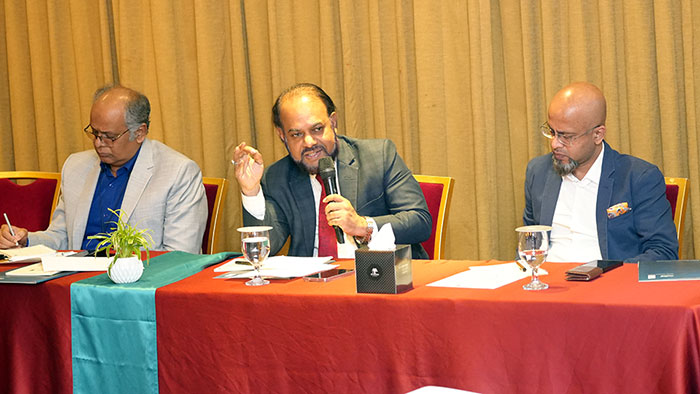
On 29 January 2026, UNDP Bangladesh organised a Validation Workshop on the Baseline Study of Plastic Waste in Chattogram, Cox’s Bazar and Tangail in Dhaka, under the Plastics Circularity Project supported by The Coca-Cola Foundation. The project is implemented locally in partnership with Young Power in Social Action (YPSA).
The workshop was attended by the Additional Director General (ADG) of Department of Environment (DOE), representatives from Chattogram City Corporation, Cox’s Bazar Municipality and Tangail Municipality. The workshop brought together representatives from government institutions, municipalities, development partners, civil society organisations, and private sector actors to review and validate the findings of the baseline study. The study provides a city-level picture of plastic waste generation, collection, recovery practices, and systemic gaps across the three urban contexts.
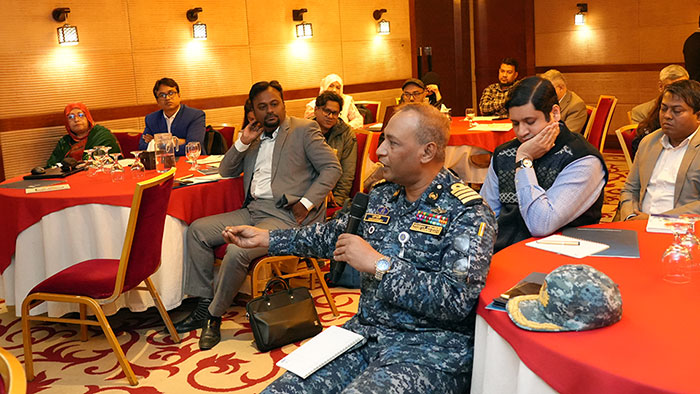
Discussions highlighted that plastic pollution is driven not only by infrastructure limitations, but also by behavioural factors — particularly the widespread use of single-use plastics and weak source segregation at household and institutional levels. Participants emphasised the importance of early awareness and behaviour change, including integrating plastic waste management practices into school-based activities, alongside practical and accessible segregation solutions.
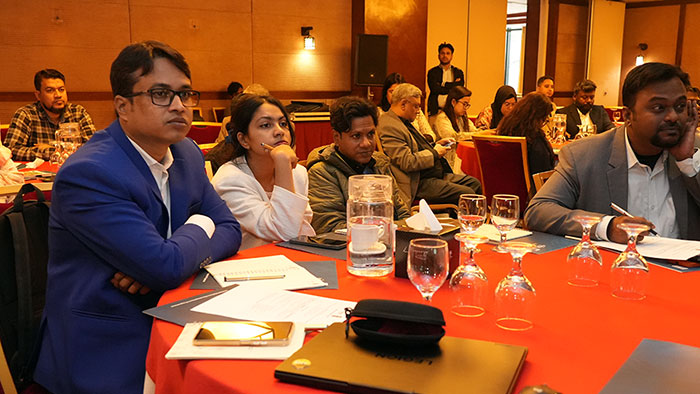
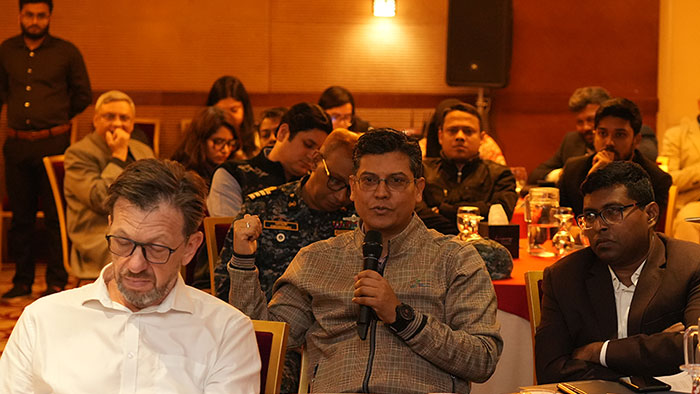
The workshop also underscored the critical role of informal waste workers in plastic recovery systems across all three cities. At the same time, challenges related to occupational safety, limited market access, lack of formal recognition, and the difficulty of recovering low-value plastics were strongly noted. Strengthening coordination between municipalities, communities, and market actors was identified as essential for improving recovery outcomes.
The validation process further stressed the need for stronger data on plastic flows and recycling rates, alignment with existing solid waste management rules, and the gradual operationalisation of Extended Producer Responsibility (EPR) frameworks to support longer-term circularity goals.
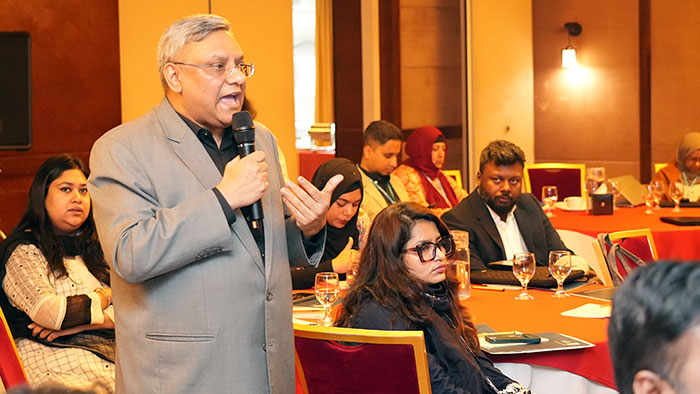
The validated baseline will now guide the next phase of action — informing city-level pilots, strengthening municipal planning and coordination, and supporting safer, more inclusive, and practical plastic waste management solutions. The findings will also contribute to YPSA’s ongoing implementation of the Empowering Communities in Plastics Recovery and Recycle (ECPRR) project, in partnership with UNDP, with a focus on community-led approaches and improved recovery pathways.