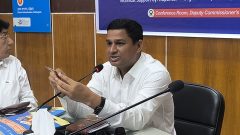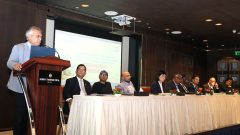
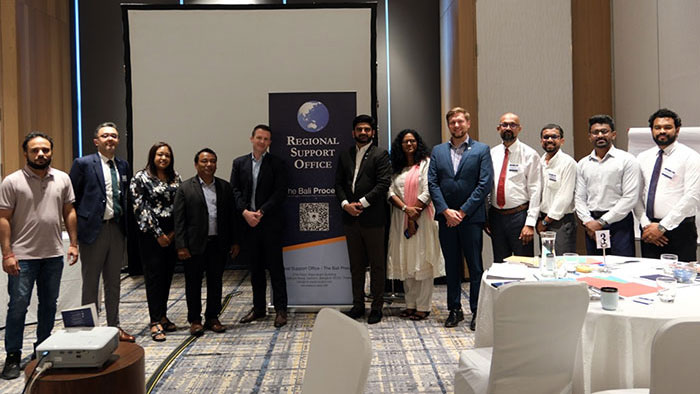
At the invitation of the Regional Support Office (RSO) of the Bali Process, a two-member delegation from Young Power in Social Action (YPSA) participated in the “Ideation Workshop to Strengthen Prevention Response of Trafficking for Forced Criminality into Cyber-Scam Centres”, held at Courtyard by Marriott, Colombo, Sri Lanka, on 23–24 February 2026.
The YPSA delegation was led by Mr. Jishu Barua, Assistant Director and Counter-Trafficking Focal Point of YPSA, accompanied by Mr. Shuvra Adhikari, Project Officer.
The Regional Support Office (RSO) of the Bali Process convened the workshop, fully funded by the UK Government. Workshop logistics and planning were coordinated by the RSO and Freedom Collaborative in coordination with the UK.
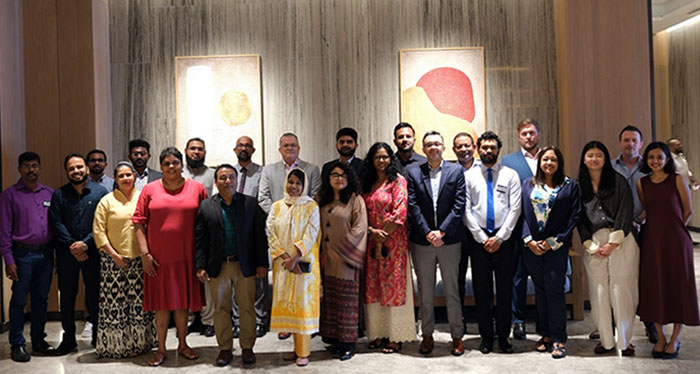
The workshop brought together civil society organizations (CSOs) from Sri Lanka, Pakistan, and Bangladesh working in counter-trafficking, migrant protection, labour rights, human rights, and related sectors. Participants included professionals engaged in community outreach, case management, research, and prevention initiatives—particularly those with direct interaction with at-risk populations and firsthand knowledge of recruitment patterns. The workshop encouraged participation from organizations representing diverse local perspectives, including survivor-informed and lived-experience insights.
YPSA’s Contribution
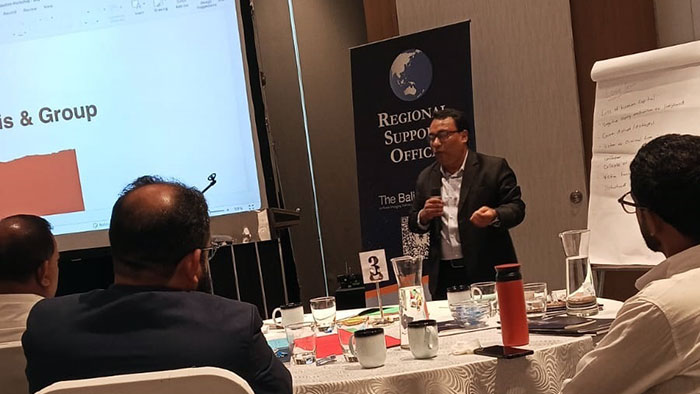
Drawing on nearly two decades of experience in addressing trafficking in persons in the host community and Rohingya refugee camps in Bangladesh, Mr. Jishu Barua delivered a presentation titled:
“Emerging Trends in Trafficking for Forced Criminality into Southeast Asian Cyber-Scam Centres: The Bangladesh Perspective.”
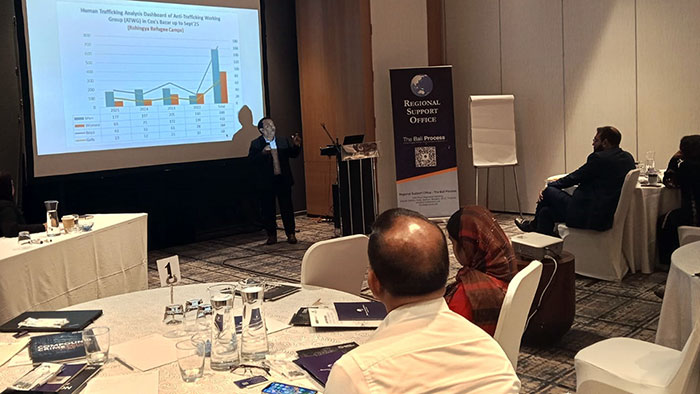
The presentation highlighted evolving recruitment tactics, deceptive migration pathways, vulnerability factors, and the increasing risks faced by Bangladeshi migrants trafficked into forced criminality within cyber-scam operations across the globe particularly in Southeast Asia. The session was highly appreciated by participants from Sri Lanka, Pakistan, and other represented organizations for its practical insights, field-based evidence, and policy relevance. In addition, the presentation contained some significant recommendations and ideas on the Prevention Response of Trafficking for Forced Criminality into Cyber-Scam Centres.
The specific Objectives of the workshop were:
- Co-design adaptable, evidence-based awareness and prevention materials, such as guidance notes, messaging frameworks, and campaign concepts, that can be applied at community level and at key points along migration pathways, including transit hubs.
- Develop a shared understanding of trafficking for forced criminality dynamics, including recruitment ecosystems, survivor profiles, and patterns observed by CSOs across different national and local contexts.
- Bring together frontline insights and emerging evidence from participating organizations to collectively reflect on evolving trends and common challenges.
- Enable structured exchange of prevention approaches and field experiences, including community outreach practices, awareness-raising efforts, and survivor-informed perspectives.
- Identify opportunities for strengthened cross-border collaboration and alignment, including shared messaging, coordination mechanisms, and informal information-sharing among CSOs working across relevant migration and trafficking routes.
- Reinforce civil society collaboration and collective action, ensuring CSO-generated knowledge and lived-experience perspectives meaningfully inform prevention efforts and regional dialogue on trafficking forced criminality.
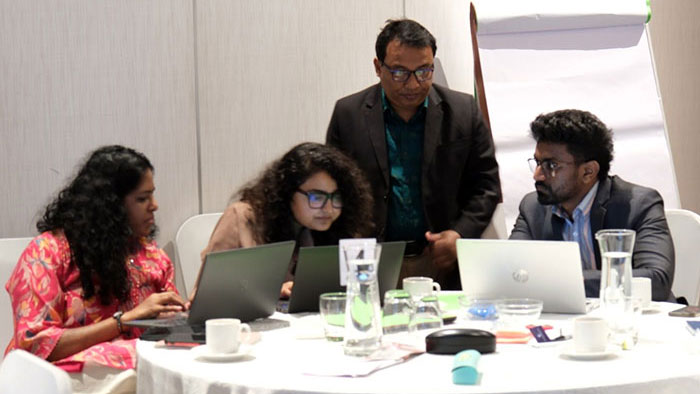
However, the Regional Support Office of the Bali Process (RSO), in partnership with Freedom Collaborative, convened an ideation workshop for counter trafficking in-persons civil society organizations. The workshop aimed to bring together civil society organizations from across South Asia to exchange insights and reflect collectively on evolving recruitment tactics, victim profiles, and risk patterns associated with trafficking for forced criminality into cyber-scam centres.
It provided a collaborative space for Civil Society Organization (CSOs) to draw on frontline experiences and co-develop context-specific awareness and prevention materials that respond to the realities faced by at-risk communities. As cyber-scam operations continue to expand and adapt across Southeast Asia, increasingly targeting individuals from South Asia and other regions, there is a clear need for prevention approaches that are locally grounded, survivor-informed, and shaped by regional perspectives. By facilitating peer exchange and strengthening relationships among CSOs working on human trafficking, forced criminality, and related issues, the workshop contributed to more coordinated regional responses and support the development of prevention efforts that can be applied at community level and at key points along migration pathways, including transit hubs.
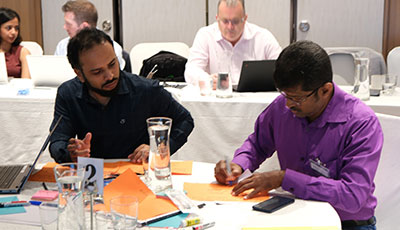 Beyond strengthening individual organizational capacity, the workshop has created promotion of a network-based approach that will reinforce the importance of cross-border collaboration, timely communication between organizations, and alignment of messaging and intervention strategies across relevant jurisdictions. This peer-driven, regionally connected approach will help ensure prevention efforts are mutually reinforcing and able to better support migrants and individuals in vulnerable situations before exploitation occurs.
The workshop delivered through a combination of thematic presentations, facilitated group discussions, ideation breakout groups, and scenario-based brainstorming exercises. This interactive format allowed participants to engage directly with current challenges, contribute their own expertise, and collectively generate actionable insights in a supportive, collaborative environment.
Conclusion:
YPSA’s participation in this regional workshop reinforced its continued commitment to combat trafficking in persons and addressing emerging forms of exploitation, including trafficking for forced criminality linked to cyber-scam centres. The knowledge gained, partnerships strengthened, and strategies developed through this platform will enhance YPSA’s ongoing prevention initiatives, advocacy efforts, and cross-border collaboration in the region.