In Cox’s Bazar, YPSA, with the support of Solidar Suisse, has successfully completed the distribution of Vocational Skill Training (VST) and Livelihood and Smart Agriculture Input Support for children displaced by climate change and involved in hazardous child labor sector in dry fish sector.
Under the CALL (Climate Action at Local Level) program, YPSA organized this initiative to engage children aged 14–18 who were displaced due to climate change and involved in risky child labor in the dry fish (shutki) industry in Nazirartek and Samitipara areas of Cox’s Bazar.
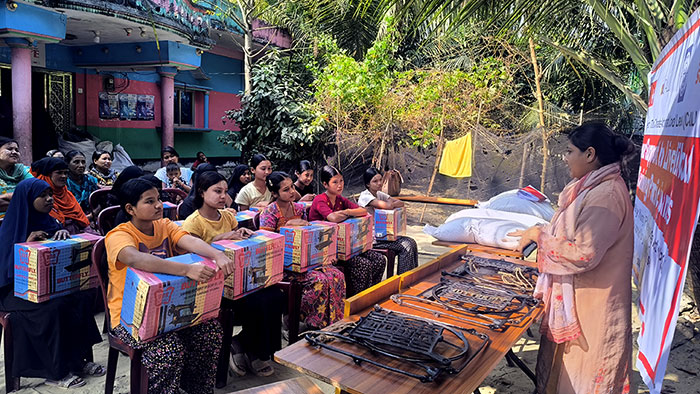
The program was implemented in two phases to connect these children with alternative and sustainable livelihoods.
In the first phase, 125 children, and in the second phase, 100 children received training, making a total of 225 child laborers. Among them were 50 boys and 175 girls. In Cox’s Bazar, girl child laborers are closely involved in the dry fish industry. Along with Bangali children, child laborers from the Rakhine community in Samitipara are also victims of this hazardous work.
Therefore, in the second phase, special efforts were made to include child laborers from the Rakhine community to address child labor more inclusively.
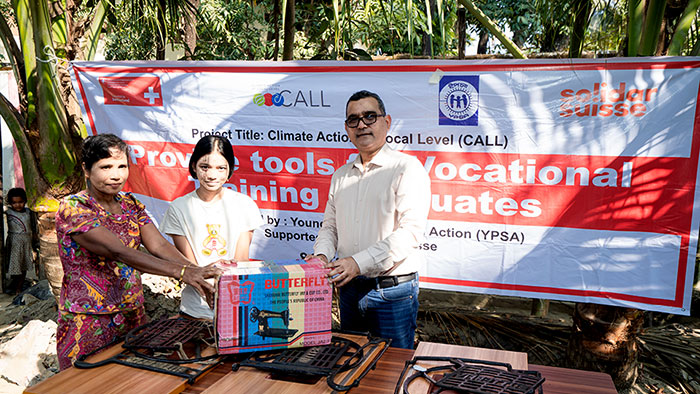
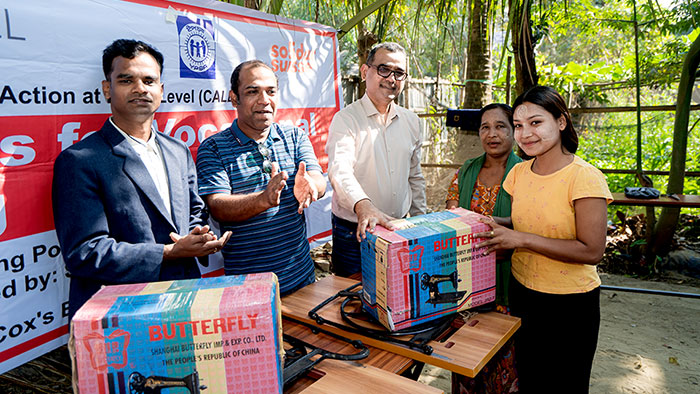
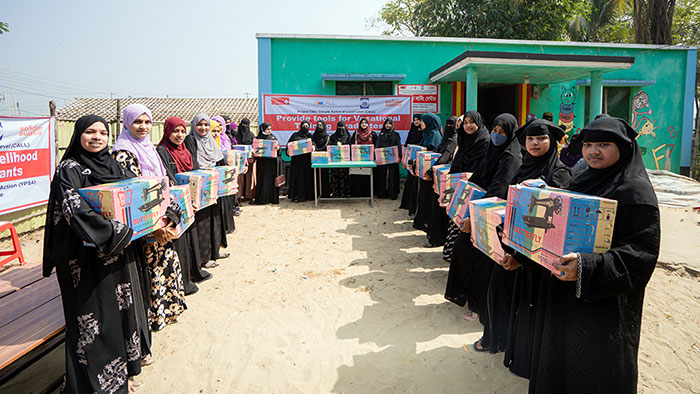
Under the project, girls received two-month vocational training on Sewing Machine Operation-Tailoring, while boys received training on Electrical House Wiring.
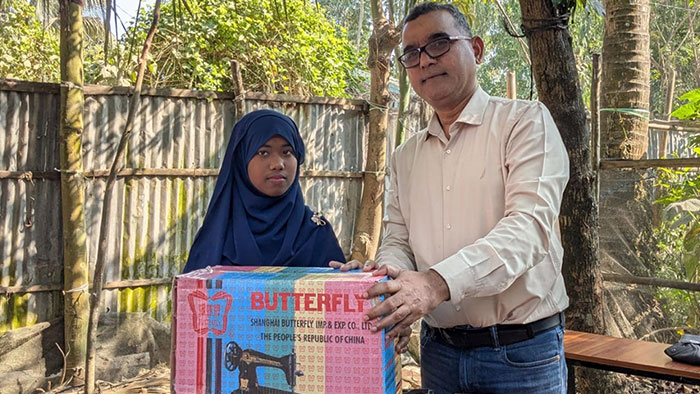
After completing the training, the children were provided with trade-based inputs such as sewing machines and electrical house wiring kits, along with certificates.
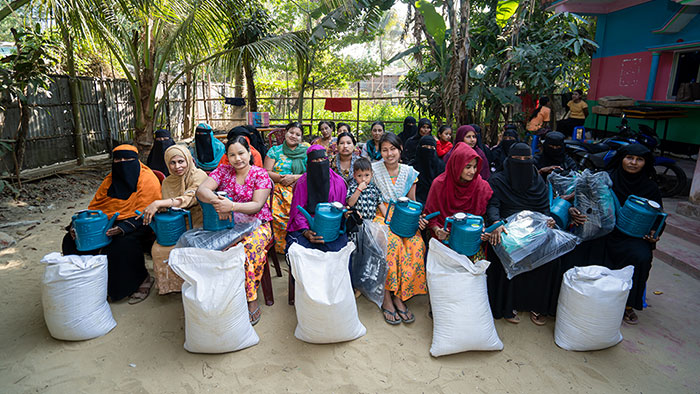
At the same time, a 10-day Alternative Livelihood and Smart Agriculture Training was organized for the parents of the selected child laborers. Parents were trained on how to cultivate crops and rear livestock on small or infertile land.
This training helps ensure household food security and creates alternative income opportunities, contributing to improved economic stability.
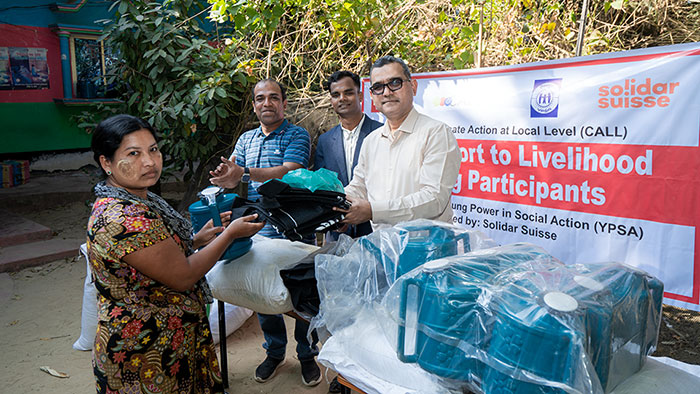
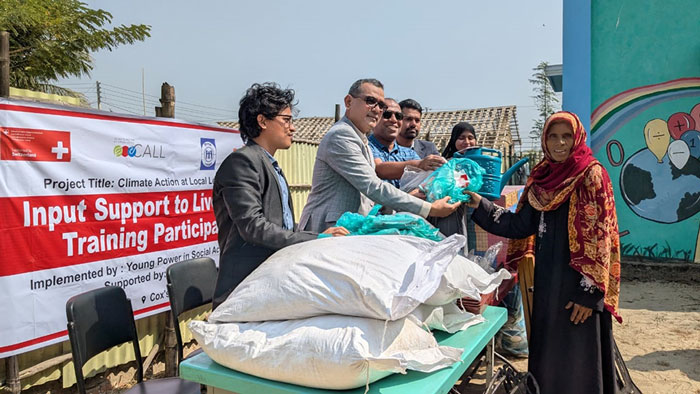
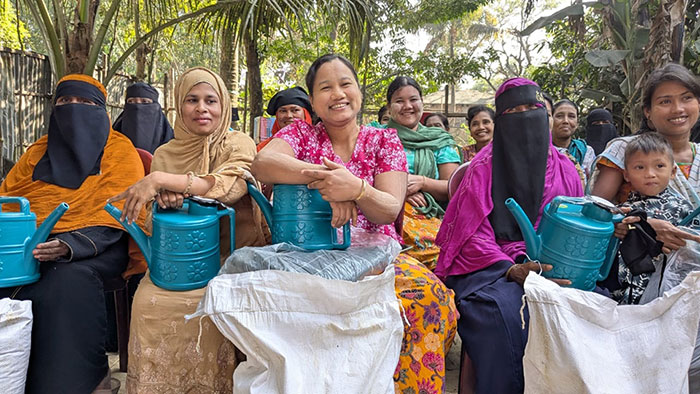
After successfully completing the Livelihood development training, parents received support materials including Six chickens, Seeds of ten varieties of vegetables, 25 kg of Organic fertilizer, Seven geo bags, and various gardening tools.
Several government officials attended different events of the distribution program, including Tasneem Jahan, Additional Deputy Commissioner (Development and Human Resource Management) of Cox’s Bazar District Administration; Assistant Commissioner Kamrul Islam; Assistant Commissioner Sumaiya Binte Afser; Hasan Masud, Deputy Director of the Department of Social Services; Ahmed Ullah, Labor Inspector from the Department of Inspection for Factories and Establishments; Md. Ali Shahin, Advocacy Focal of YPSA; Shahidul Islam, Deputy Director of YPSA and Head of the Rohingya Response Program, among others.
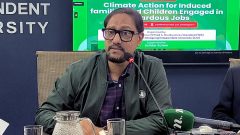
Additional Deputy Commissioner Tasneem Jahan said, “Due to climate change, families of these displaced child laborers often involve their children in dry fish processing during the fishing season. This creates a major barrier to the natural development of children. In Cox’s Bazar, girl child laborers are also at risk of early marriage. Through this project, children previously involved in dry fish processing have been provided with sustainable alternative livelihood opportunities. At the same time, project staff are helping to raise community awareness to prevent child labor and early marriage.”
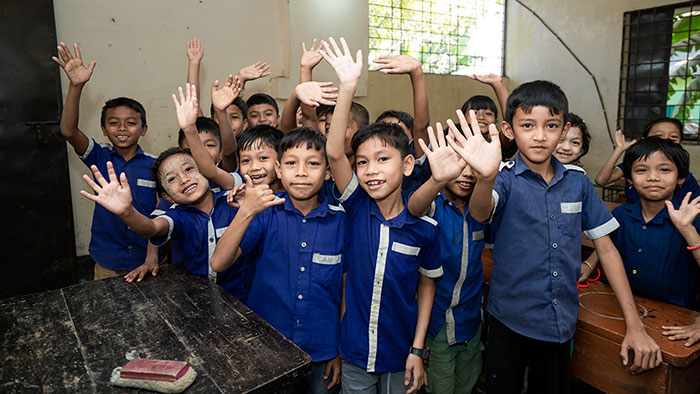
Speaking on child labor, YPSA Advocacy Focal Mohammad Ali Shahin said, “The higher the level of child labor in a country, the poorer that country is. To reduce the poverty of climate-displaced and vulnerable child laborers, rehabilitation is essential. Through proper skill development, these child laborers can become valuable human resources and will one day become self-reliant.”
It is worth mentioning that alongside Cox’s Bazar, vocational training activities are also ongoing in Muradpur and Notun Bridge areas of Chattogram to enhance the skills of child laborers involved in the iron sector.
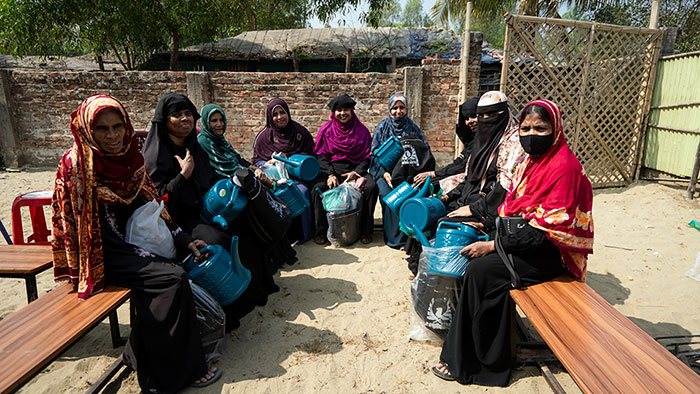
As a result, significant positive outcomes have already been observed in eliminating child labor through skill development among climate-displaced, vulnerable, and prohibited child labor sectors (iron and dry fish industries) involving children aged 14–18 in Chattogram and Cox’s Bazar. Trained children, especially girls, are developing a mindset to leave child labor and become entrepreneurs, contributing to skilled youth development and women’s empowerment.
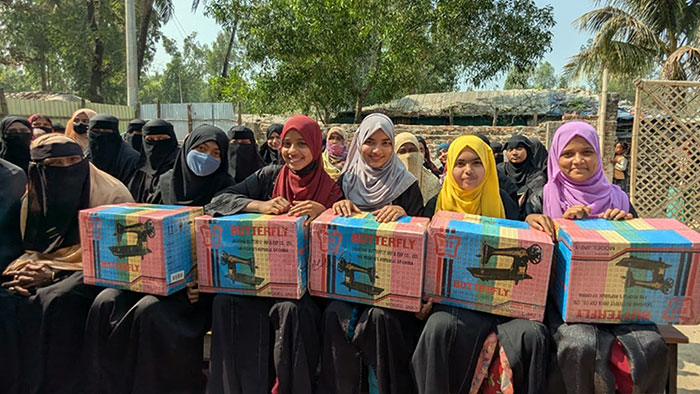
Moreover, as parents benefit from home gardening and poultry rearing after receiving training, alternative income opportunities are being created for families. This change is reducing parents’ tendency to send children back into child labor and instead strengthening the path toward entrepreneurship.
Concerned officials stated that YPSA’s initiatives will continue to play an important role not only in Chattogram and Cox’s Bazar, but also across the country in eliminating child labor.