
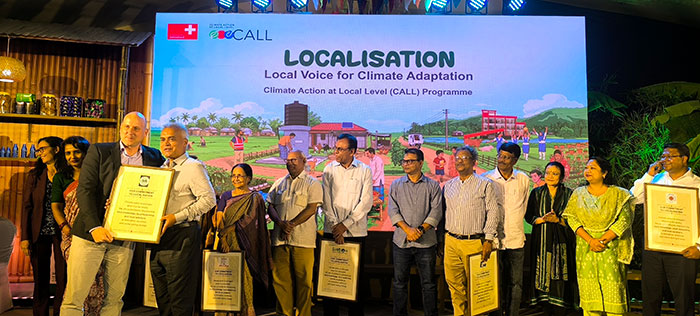
The impacts of climate change are intensifying day by day, with its effects being felt most severely in the lives of local communities. Therefore, this important workshop titled ‘Localization’ emphasized working collaboratively by prioritizing the experiences, knowledge, leadership, and initiatives of local people in tackling the climate crisis.
The workshop was organized by the Climate Action at Local Level (CALL) Consortium, with support from the Swiss Agency for Development and Cooperation (SDC).
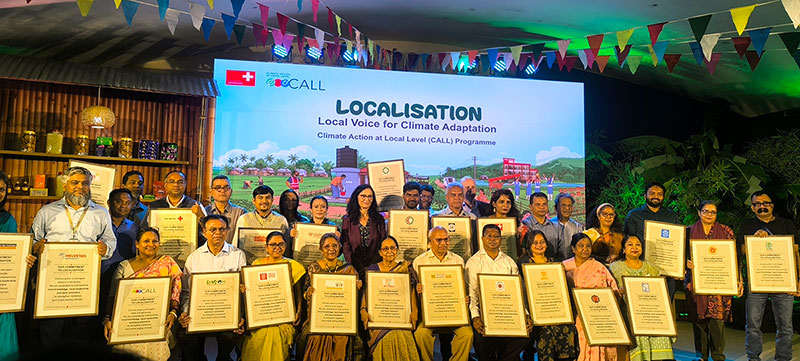
Attendees included Deepak Pelmar, Head of Cooperation at Swiss Development Cooperation (SDC); Marc Dietrich, Program Manager (Nexus) at SDC; Shireen Lira, Senior Program Manager at the Swiss Embassy; Ulrich Kleppmann, Head of Cooperation at German Development Cooperation; Cynthia Mela, Country Director of Agence Française de Développement (AFD); and Dr. Md. Arifur Rahman, Founder and Chief Executive of YPSA, alongside chief executives, directors, and senior representatives from 27 international and national development organizations.
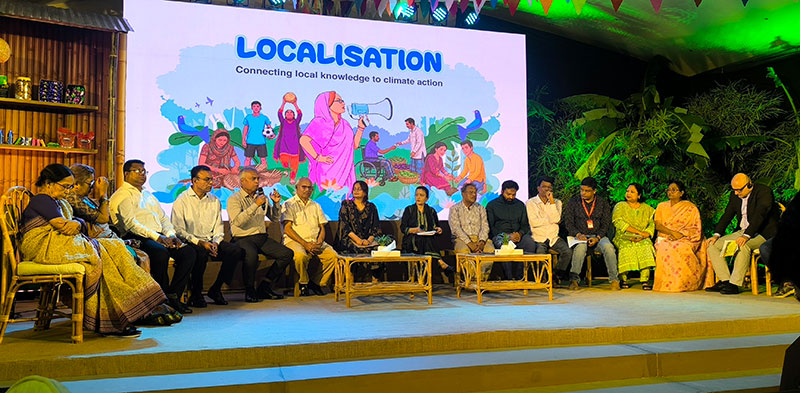
Detailed discussions at the workshop focused on taking effective and pragmatic initiatives at the local level to address climate change impacts, community participation, developing local leadership, sharing knowledge and experiences, capacity building, and applying lessons learned to future activities. In particular, views were exchanged on adopting effective local-level adaptation measures by giving priority to the lived experiences of climate-vulnerable communities, as well as making development efforts more people-friendly, inclusive, and sustainable.
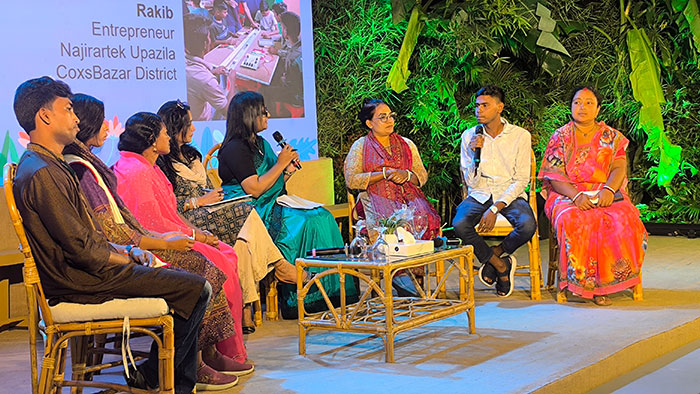
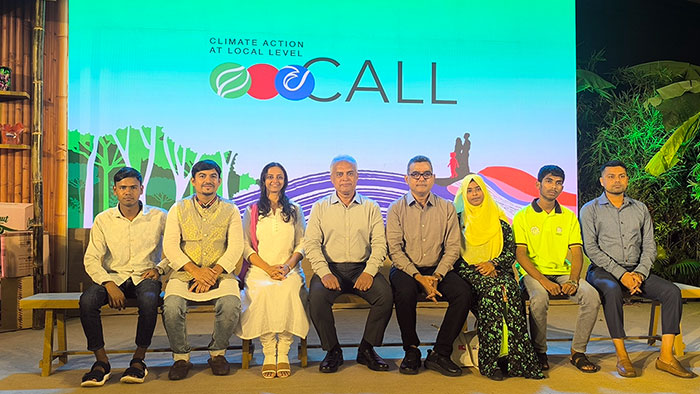
As a prominent implementing partner of the CALL project, Dr. Md. Arifur Rahman, Chief Executive of YPSA, spoke at the event. He emphasized engaging local communities as active partners in the development process to combat the impacts of climate change.
He stated, “We must build local leadership and capacity by utilizing the real-life knowledge and experiences of local people. At the same time, a coordinated effort involving the government, development partners, local organizations, civil society, and the public is key to bringing about long-term and sustainable change in tackling climate risks.”
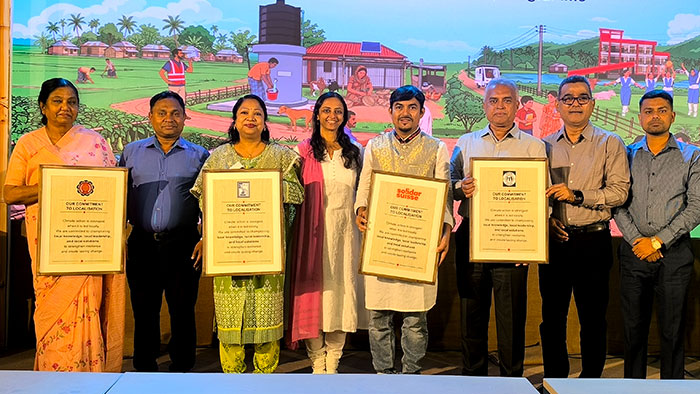
Representatives from CALL consortium partner organizations, development partners, various national and international agencies, and relevant stakeholders participated in the workshop. The event served as a vital platform for sharing mutual experiences, learning from successful initiatives, and implementing more effective and coordinated climate action in the future.