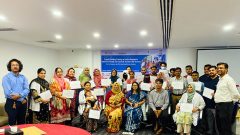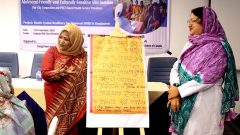
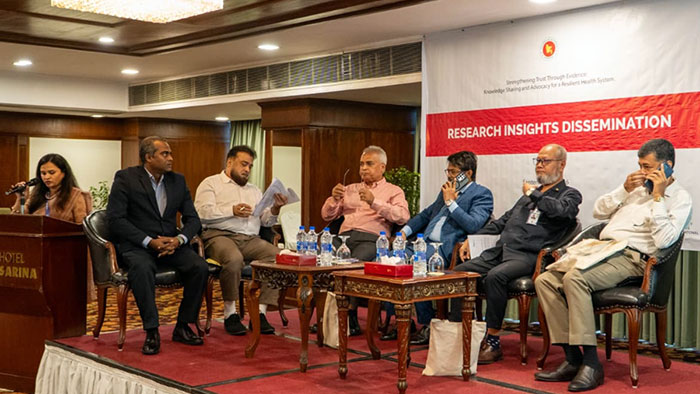
YPSA, in collaboration with Community Partners International (CPI), organized a Research Insights Dissemination event under the project “Strengthening Trust Through Evidence: Knowledge Sharing and Advocacy for a Resilient Health System.”
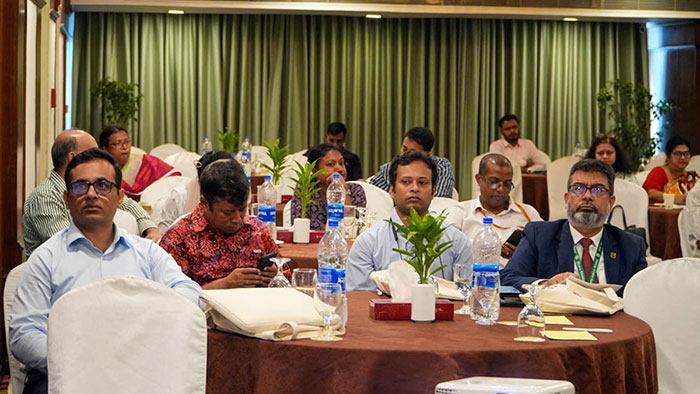
The event brought together distinguished representatives from the Government of Bangladesh, national and international NGOs, development partners, researchers, and other key stakeholders to share research evidence and foster dialogue on strengthening health systems and evidence-informed policy and programming.
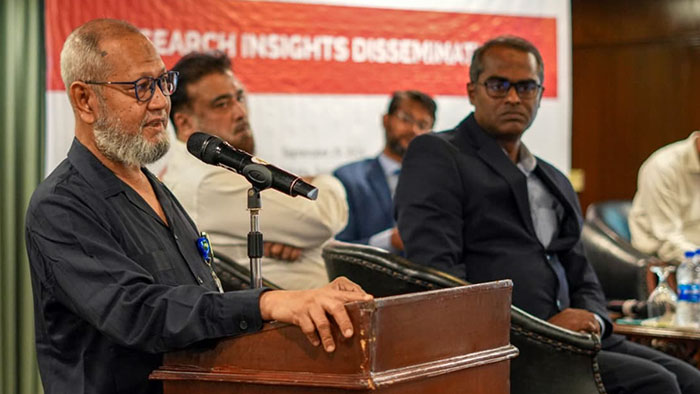
The event was graced by Dr. Mohammed Jakaria, Director General, NGO Affairs Bureau, as the Chief Guest, and Mr. Nazmul Islam Bhuiyan, Additional Refugee Relief and Repatriation Commissioner, as the Special Guest. The event was also attended by Mr. Biplob Barua, Deputy Director (Family Planning), District Family Planning Office, Cox’s Bazar, and Dr. Abu Toha Md. Rizuanul Haque Bhuiyan, Health Coordinator (MBBS, DCMH, MPH), Office of the Refugee Relief and Repatriation Commissioner, Cox’s Bazar, both of whom actively contributed to the discussions and shared valuable insights.
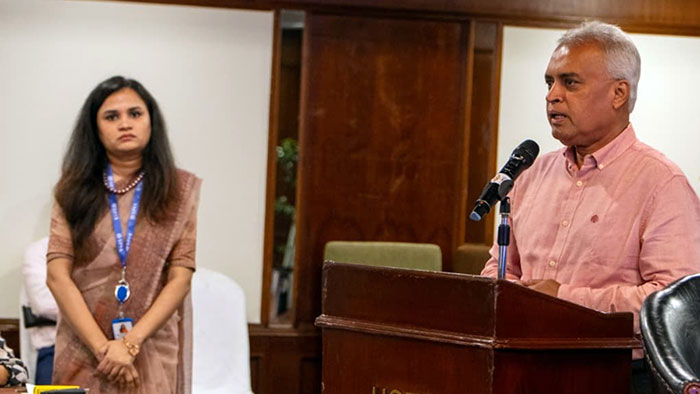
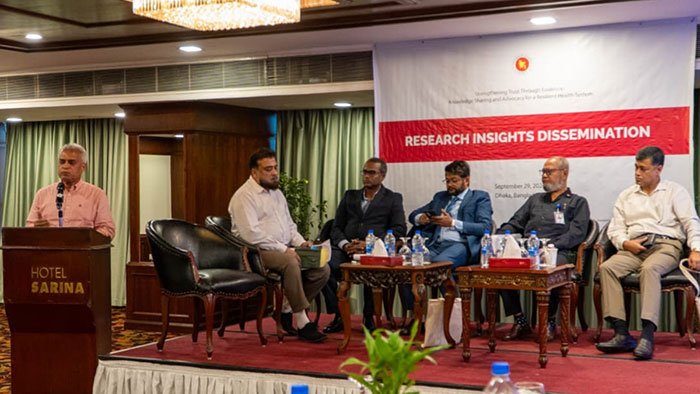
The programme was chaired by Dr. Md. Arifur Rahman, Founder and Chief Executive of YPSA, and Mr. Md. Abul Bashar, Country Representative, Bangladesh, Community Partners International (CPI), alongside representatives from relevant government institutions, NGOs and INGOs working in the FDMN/Rohingya response.
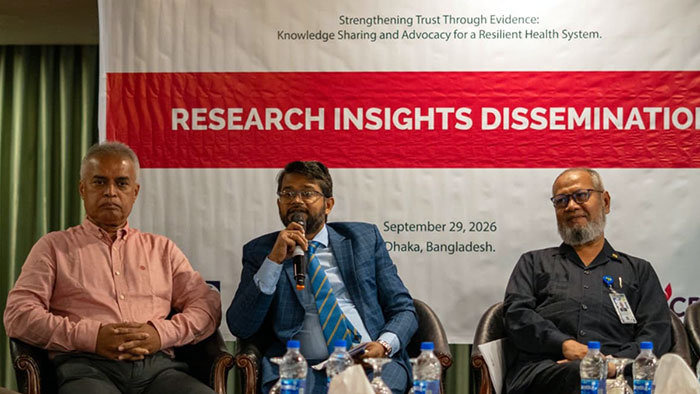
The dissemination featured two key research initiatives. The first, “Early Marriage and Early Childbearing: A Focus on Bangladesh’s Rohingya Camps” presented evidence on early marriage and early childbearing among Rohingya adolescents, along with policy recommendations for addressing these challenges.
The second research, “Community Health Worker (CHW)-Led Integrated Care Model,” highlighted an integrated approach to reducing cardiovascular disease (CVD) risk and addressing chronic Hepatitis C (HCV) among the FDMN population through community-based health service delivery.
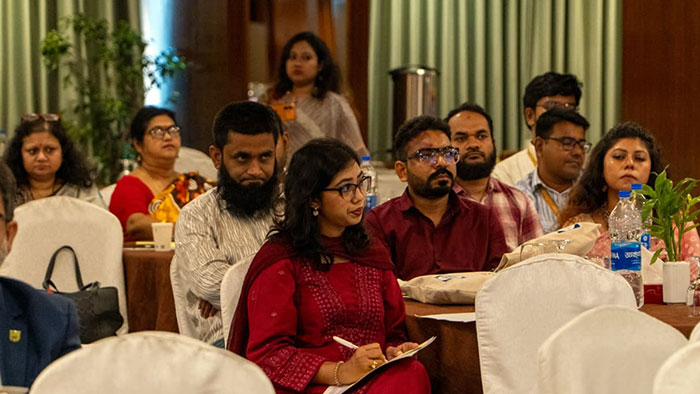
The presentations were followed by engaging question-and-answer and discussion sessions, allowing stakeholders to reflect on the findings, validate guidance and key recommendations, and explore opportunities for translating research evidence into policy and practice.
The event emphasized the importance of bringing evidence to the table, connecting research with policy dialogue, and strengthening collaboration among government, civil society, development partners, and communities to build a more resilient and responsive health system.