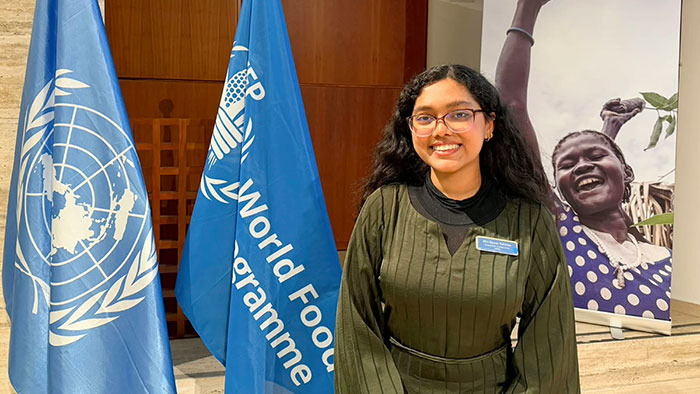
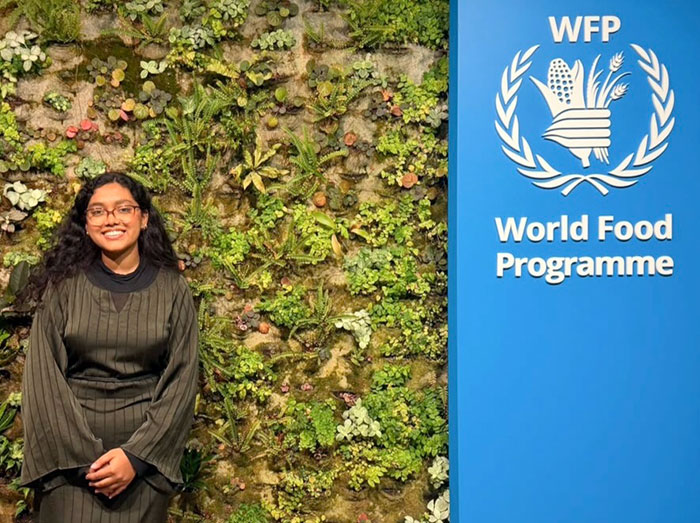
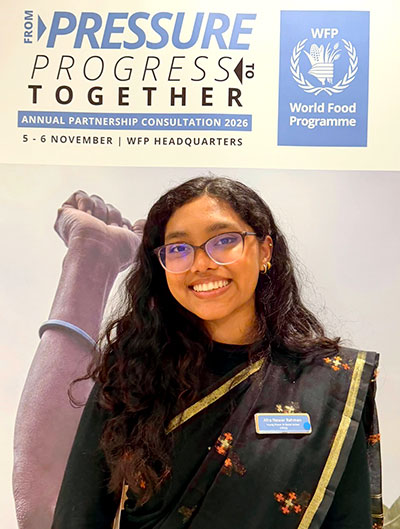
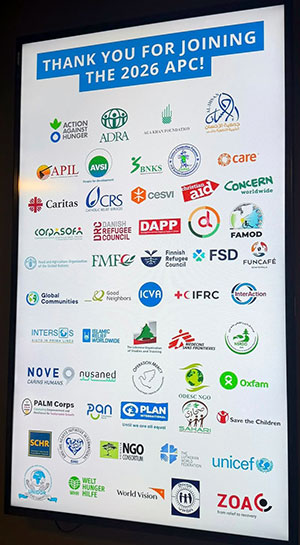
YPSA participated in the World Food Programme (WFP) Annual Partnership Consultation (APC) 2026, held at WFP Headquarters in Rome, Italy, on 5–6 November. Representing YPSA, Afra Nawar Rahman, Coordinator at YPSA, joined national and international NGOs, UN agencies and humanitarian partners to discuss the future of humanitarian cooperation amid declining funding, increasing global food insecurity, climate-related emergencies and ongoing reforms within the humanitarian system.
The consultation provided a platform to reflect on how WFP and its cooperating partners can strengthen collaboration, improve operational effectiveness and ensure that humanitarian assistance reaches the people who need it most. With humanitarian resources becoming increasingly constrained while needs continue to grow, the discussions focused on moving beyond traditional response mechanisms towards more equitable, locally led and outcome-oriented approaches.
Key Discussions and Priorities
Localization and equitable partnerships: emerged as a central theme. Participants discussed the persistent gap between global commitments to localization and the actual decision-making power and funding available to national and local organizations. Moving leadership closer to crisis-affected communities requires more than engaging local NGOs as implementing partners; it demands meaningful participation in programme design, resource allocation and strategic decisions. For organizations like YPSA, this recognition is particularly important given their established community relationships and frontline humanitarian experience.
Humanitarian funding and responsible transitions were also major areas of discussion. Declining resources are creating greater competition among organizations and putting pressure on existing response mechanisms. Participants highlighted the need for greater transparency, shared institutional capacities and more effective coordination. Discussions on humanitarian reforms emphasized that transitions must involve a genuine redistribution of responsibility, agency and decision-making power, rather than simply transferring operational burdens to local organizations.
 Anticipatory action and climate preparedness received particular attention during the session. Super El Niño as a Wake-Up Call – Scaling Anticipatory Action. With growing concerns about climate extremes and their implications for agriculture, livelihoods and food security, participants emphasized the importance of acting before disasters occur. Strengthening early-warning systems, forecast-based financing, preparedness and locally implemented interventions will be essential to protecting vulnerable communities. These priorities are especially relevant to Bangladesh, given its exposure to cyclones, floods, salinity intrusion and other climate-related hazards.
Other sessions explored capacity strengthening and sharing, data interoperability, artificial intelligence and the future of common humanitarian services. Discussions highlighted opportunities for organizations to share knowledge, technical expertise, logistics and operational resources while reducing duplication. A recurring message was the need to measure success through actual improvements in people’s lives, including reduced severity of needs, stronger livelihoods and greater resilience, rather than focusing solely on activities and beneficiary numbers.
Strengthening YPSA–WFP Collaboration
 YPSA’s participation was particularly relevant given its longstanding collaboration with WFP in Bangladesh, including humanitarian food assistance and support for Rohingya refugees in Cox’s Bazar. As a national NGO with experience in food security, emergency response, disaster risk reduction and community resilience, YPSA brings valuable operational knowledge and local perspectives to global humanitarian discussions.
The consultation offered opportunities to exchange experiences with humanitarian partners and reflect on how existing partnerships can become more integrated, equitable and responsive. Potential areas for stronger YPSA–WFP collaboration include joint anticipatory action initiatives, capacity sharing, integrated food security and livelihood programming, improved coordination and greater involvement of national organizations in programme-level decision-making.
APC 2026 reinforced that the future of humanitarian action depends on stronger partnerships and meaningful changes in how resources, responsibilities and leadership are distributed. For YPSA, participation was an opportunity to bring Bangladesh’s humanitarian experience into a global conversation while identifying pathways to strengthen collaboration with WFP and other partners.
Ultimately, humanitarian reform must translate into action: empowering local organizations, strengthening preparedness and ensuring that limited resources deliver meaningful and lasting outcomes for crisis-affected communities.