
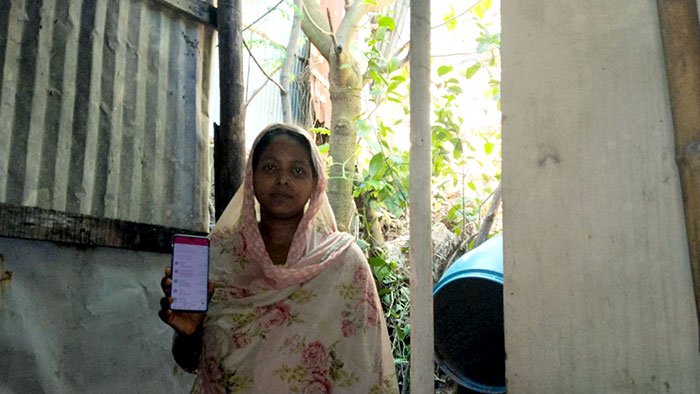
YPSA implemented the cash assistance as part of the ongoing SURAKKHA (Scaling up Multi-Hazard Anticipatory Action in Hilly Regions of Bangladesh) Project, funded by the European Civil Protection and Humanitarian Aid Operations (ECHO), with overall technical support from RIMES and programmatic collaboration from Save the Children.
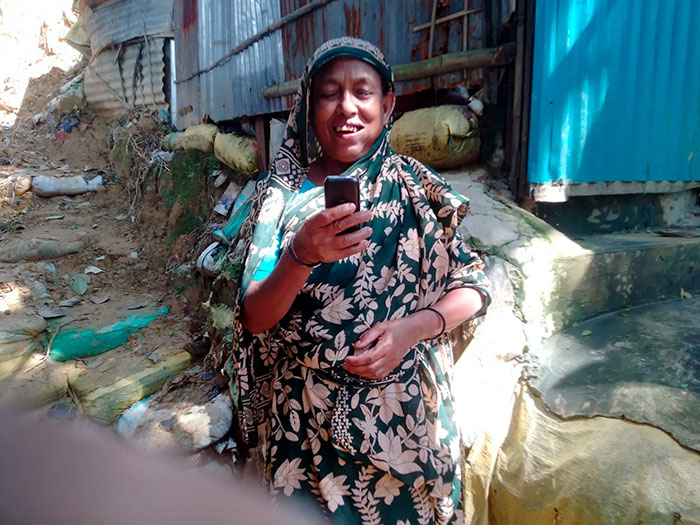 In Chattogram City, the cash support targeted pre-identified at-risk households in Wards 7, 8, 9, and 14 of Chattogram City Corporation, areas predominantly comprising steep hillside terrain highly susceptible to landslides and flash floods during the monsoon season. Similarly, in Banshkhali Upazila, the initiative covered two unions, Pukuria Union (No. 01) and Sadhanpur Union (No. 02), where field-level screening had been conducted to identify the most hazard-exposed families.
In both areas, eligible beneficiaries received BDT 6,000 per household through cash or mobile money transfer (bKash), enabling them to take advance preparedness measures before a disaster event unfolded.
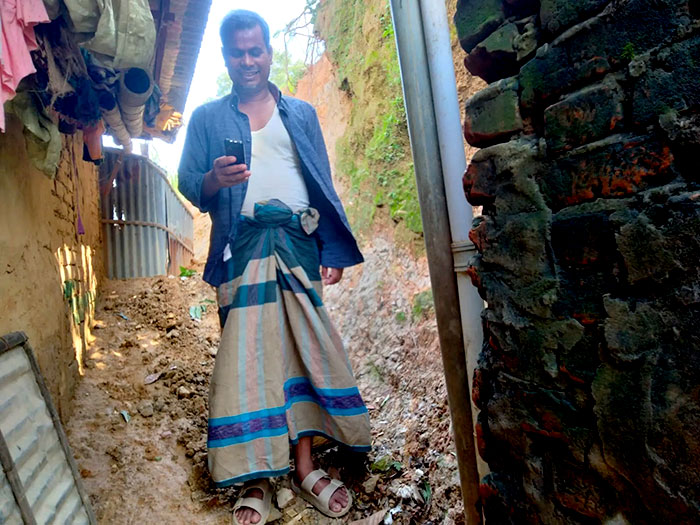 A defining feature of the SURAKKHA model was its use of anticipatory action. Under this globally recognized approach, humanitarian assistance was triggered by weather forecasts rather than waiting for a disaster to occur and then responding. Upon receiving an official hazard forecast from the Bangladesh Meteorological Department (BMD), the project activated a pre-approved beneficiary list, allowing cash to be disbursed within 24 to 72 hours before floodwaters rose or landslides occurred.
Beneficiaries were identified based on eight core criteria: their overall vulnerability (income, housing, food security, disability), level of exposure to hazards, poverty and income status, degree of social exclusion (including persons with disabilities, ethnic minorities, and female-headed households), household size and dependency burden, limited coping capacity, history of disaster impact, and community-level verification.
To ensure fairness and accountability, three process safeguards were applied: a risk-ranked database for objective scoring, a gender and inclusion target of at least 50% women, and a “do no harm” principle to prevent elite capture and duplication with other programs. These criteria were ensured by START Fund, RIMES, Save the Children (SCI), and YPSA, respectively. The final beneficiary lists were validated in coordination with the Ward Secretaries and local Union administrative officials to ensure accuracy, fairness, and community trust.
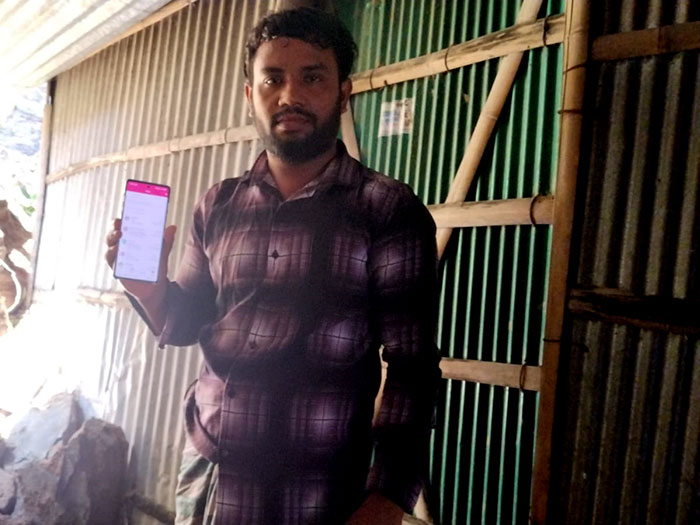
Within the SURAKKHA model, once the Bangladesh Meteorological Department issued a hazard forecast, the pre-approved beneficiary list was automatically activated, and mobile money was disbursed within 24 to 72 hours, shifting the humanitarian response from reactive relief to proactive, forecast-based anticipatory action in line with international standards set by SPHERE, CaLP, ECHO, START Fund, and OCHA.
YPSA Founder and Chief Executive, Dr. Md. Arifur Rahman, expressed confidence that the timely cash support would significantly enhance the capacity of at-risk individuals and families to prepare for and cope with impending disasters, thereby reducing the loss of life and protecting livelihoods in some of Chattogram’s most geographically exposed communities. Besides, “The July 2026 landslide emergency demonstrates that anticipatory action can save lives,” said Fatema Meherunnessa, Manager of Resilience and Anticipatory Action at Save the Children. She also said, “The next step is ensuring every early warning is matched by safe, accessible and trusted shelters where communities can seek refuge with dignity.”
The initiative was supported by a wide range of stakeholders, including the Ward Secretaries, Union Chairmen, administrative officers, the District Relief and Rehabilitation Officer of Chattogram, Save the Children’s Senior Manager for Humanitarian, DRR and Climate, YPSA’s Director for Social Development, the Anticipatory Action Manager at Save the Children, and the SURAKKHA Project MEAL Manager. The coordinated multi-authority outreach reflected YPSA’s commitment to working within formal government structures to ensure that anticipatory humanitarian action was both legally sanctioned and locally owned.