
Plastic is a major part of our daily lives. From the water bottles we grab on a hot afternoon to the packets carrying our favorite snacks, it is everywhere. But in Bangladesh, this convenience comes with a heavy cost. Our beautiful canals, rivers, streets, yards, and environment are slowly being choked. Every single piece of single-use plastic we throw away casually stays in our soil and water for hundreds of years, harming our environment, our health, and our future.
To solve this, we cannot just rely on cleaning up the waste after it is made. Real, lasting change only happens when we change how we think and act. We need to stop seeing plastic bottles as instant trash and start treating them as resources that can be recycled. This change in behavior and daily habits is the only way to build a sustainable, clean environment.
This is why our youth are the key to this journey. Young minds do not just learn; they lead. When a student adopts a green habit, they bring that practice home to their families and spread it across their neighborhoods. By focusing on students, we are not just teaching individuals. We are empowering tomorrow’s leaders to drive a massive wave of positive change across the country.
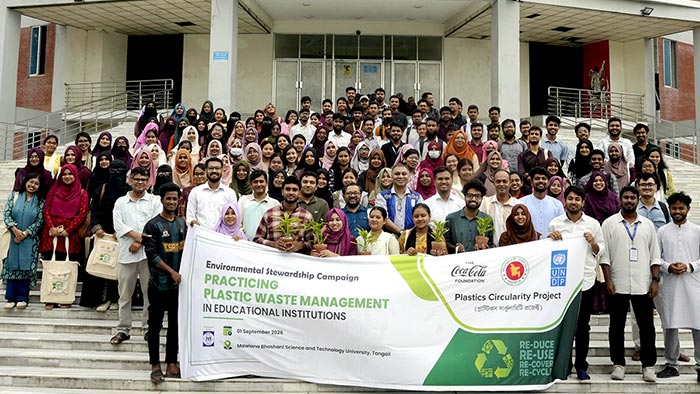
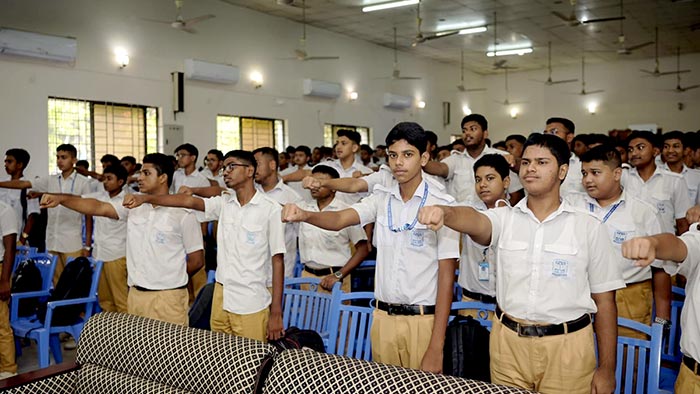
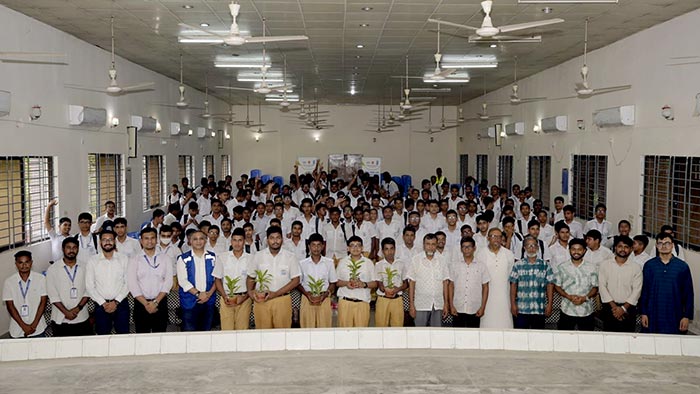
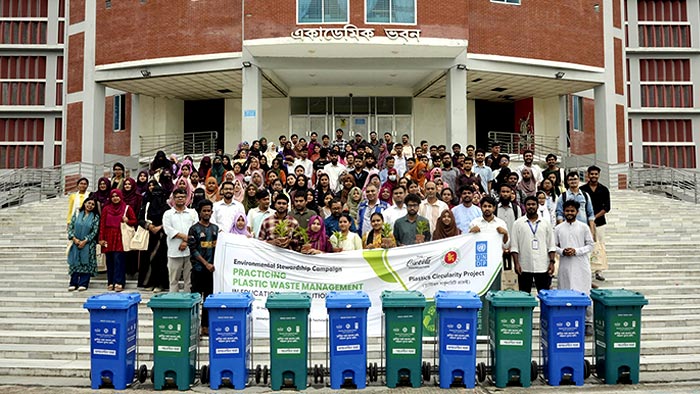
To spark this movement, the Plastics Circularity Project organized an interactive campaign in Tangail on 31 August and 1 September 2026. This was not a typical classroom lecture. At Bindubasini Government Boys’ High School and Mawlana Bhashani Science and Technology University, around 400 students and teachers actively took part in practical learning.
Plastics Circularity Project is funded by The Coca-Cola Foundation and implemented by United Nations Development Programme (UNDP). Young Power in Social Action (YPSA) is the local partner of the project working in Chattogram, Cox’s Bazar, and Tangail.
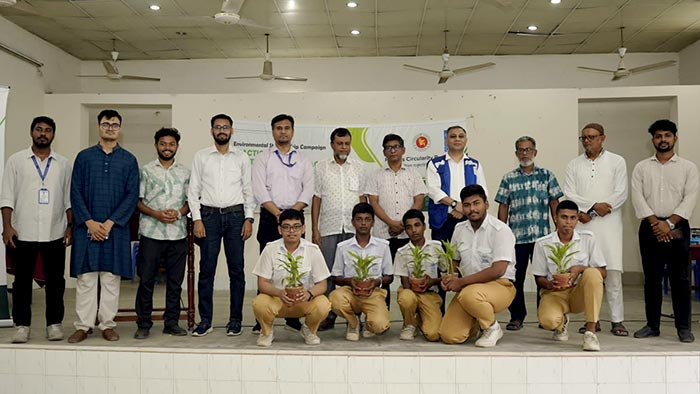
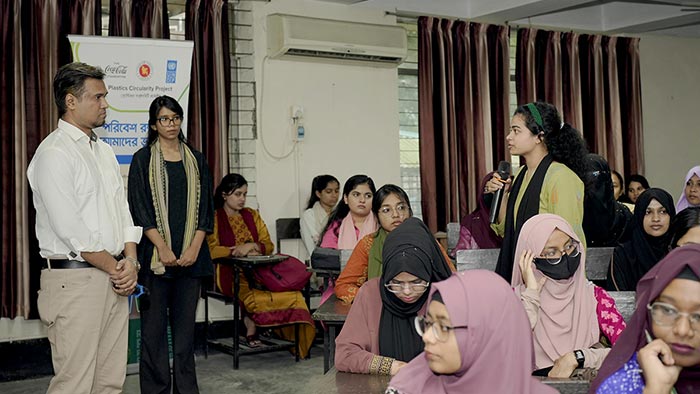
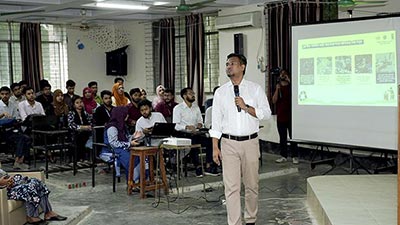
Through engaging presentation and exciting “Rapid Fire” quizzes, the students learned how to separate biodegradable waste from recyclable plastics. To make sure these habits continue every day, the campaign provided separate waste bins to both institutions and discussed launching regular student-led “Cleaning Days.” Furthermore, the campaign connected the institutes with local waste collectors who will regularly pick up the plastic waste from the institutes. This ensures that the segregated plastic gets recycled, turning the student habit into a practical, real-world circular economy.
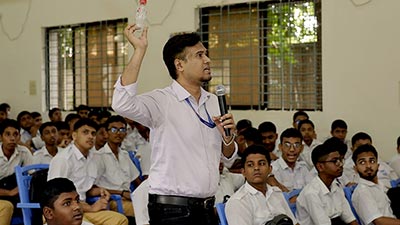
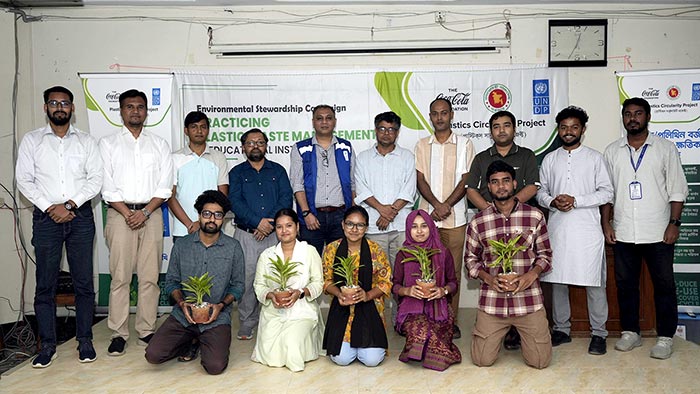
The most inspiring moment came when the students presented their own creative ideas for managing plastic waste and stood together to take a solemn oath. They pledged to stop littering, reduce single-use plastics, choose green alternatives, and protect their local environment. To celebrate this commitment, the quiz winners were awarded live, potted plants, a growing symbol of their responsibility to nurture the earth.
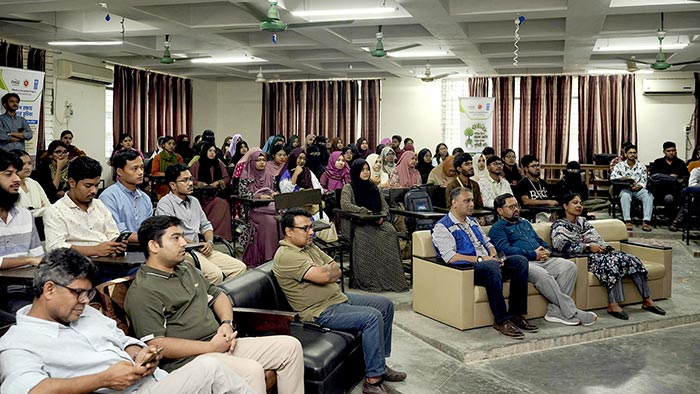
This successful campaign in Tangail is just the beginning of a larger journey. It marks the first of four planned student campaigns under this project. By transforming their own daily choices and encouraging their peers to do the same, these 400 students in Tangail are setting a powerful example for the upcoming campaigns, proving that small, collective changes in behavior today will shape a green, healthy, and beautiful tomorrow.