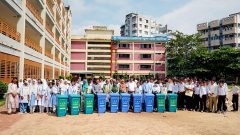
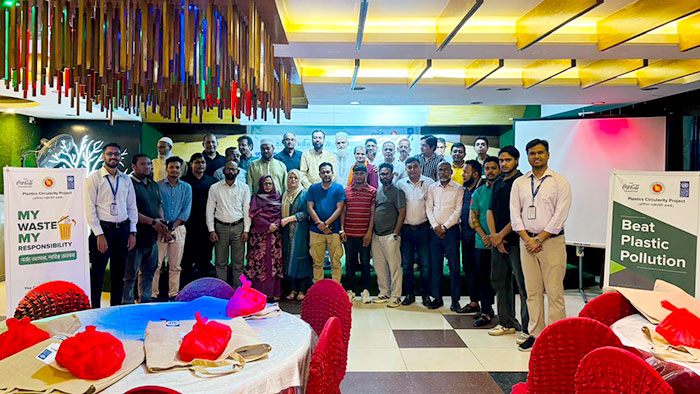
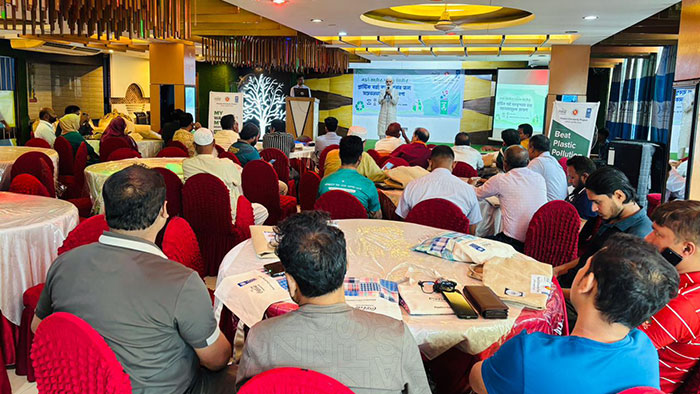
Under the ‘Plastics Circularity Project’ funded by The Coca-Cola Foundation, supported by UNDP and implemented by YPSA, community leaders, religious figures, teachers, business representatives, women, youth, local influencers and residents came together to reaffirm their commitment to waste segregation and promote circular use of plastics through an awareness campaign in Tangail Municipality, on 29 June.
The campaign was organized to encourage behavioral change through the message “Plastic is not waste until it is wasted.” It emphasized that responsible plastic waste management is not just the responsibility of the municipality, but of every citizen.
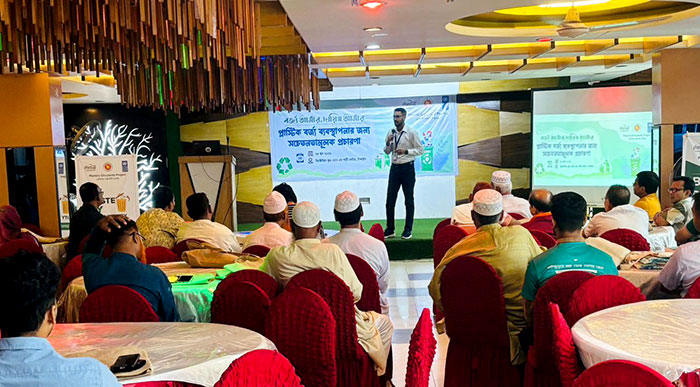
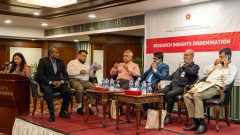
The interactive awareness session, moderated by Ajnabi Majumdar (Nahid), District Coordinator of the Plastic Circularity Project, was attended by around 80 community stakeholders. Participants discussed the environmental and public health impacts of improper waste disposal, including clogged sewer systems, waterlogging, environmental pollution and the spread of water-borne diseases.
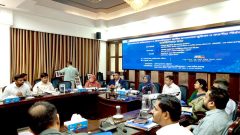
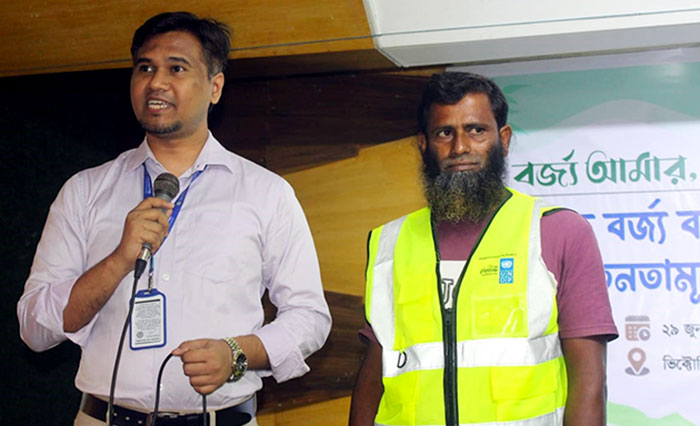 The session featured a presentation that demonstrated practical strategies for household waste segregation through visual displays, enabling participants to differentiate between organic waste, recyclable materials such as plastic, paper and metal, and hazardous or residual waste. Participants learned how proper segregation can increase recycling efficiency, reduce landfill waste and help create a cleaner environment.
In this open social dialogue, residents had the opportunity to highlight local problems related to waste collection and management as well as propose practical solutions. 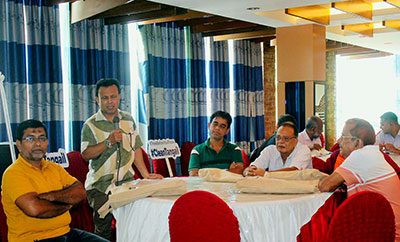 The recommendations gleaned from the discussion will help strengthen sustainable waste management initiatives within Tangail Municipality.
As part of the campaign, the organizers encouraged participants to maintain a clean environment in their neighborhoods, apartments, buildings, and business areas and to practice regular waste segregation.
Religious leaders present at the event pledged to include messages of environmental responsibility, cleanliness, and responsible waste management in their sermons and social activities, highlighting the importance of public health and environmental protection. In addition, principals of various government primary and secondary schools delivered their speeches.
At the end of the event, all participants unanimously pledged their full cooperation to support sustainable plastic waste management initiatives from their respective positions and encourage the practice of waste segregation.
The campaign concluded with its key message:
“My waste, my responsibility. Today, through segregation, we protect the health of our children.”
The organizers believe that active collaboration between citizens, social leaders, and local government institutions is essential to build clean, healthy, and sustainable municipalities across Bangladesh.