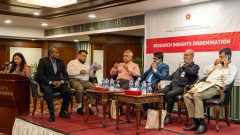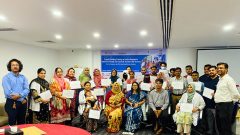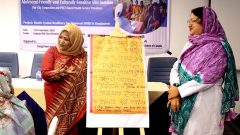
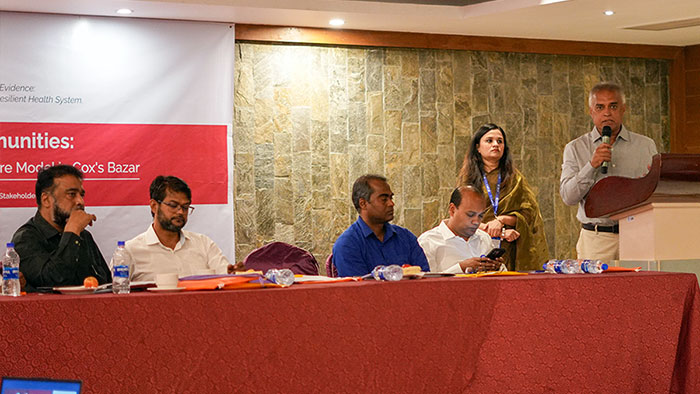
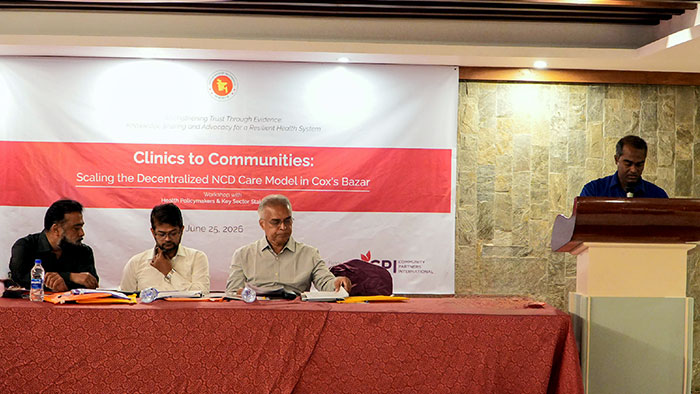
YPSA, in partnership with Community Partners International (CPI), successfully convened a workshop titled “Clinics to Communities: Scaling the Decentralized NCD Care Model in Cox’s Bazar.”, on 25 June 2026.
As the humanitarian response in Cox’s Bazar continues to evolve, Non-Communicable Diseases (NCDs)—including hypertension, diabetes, and cardiovascular diseases—have emerged as pressing public health challenges that require sustained, integrated, and people-centered care.
Since 2021, YPSA and CPI have been implementing the Decentralized NCD Care Model, bringing essential NCD services closer to communities through a comprehensive community-to-clinic approach. The initiative is strengthening access to quality healthcare and ensuring continuity of care for displaced and vulnerable populations.
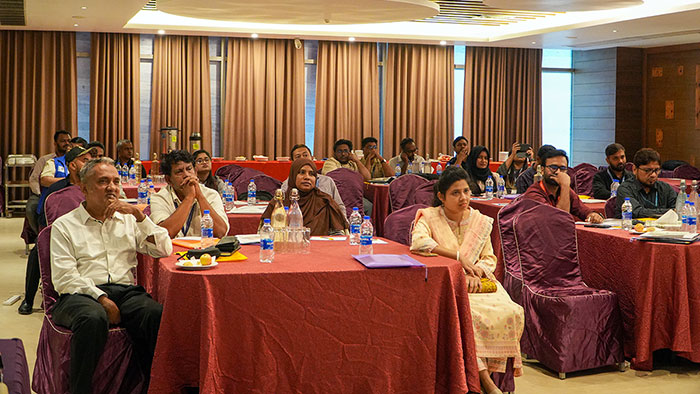
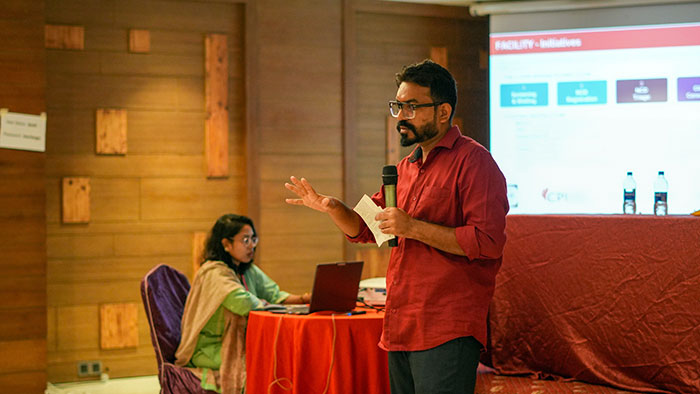
The workshop brought together representatives from the Government of Bangladesh, UN agencies, the Health Sector, humanitarian organizations, researchers, and implementing partners to review evidence generated from the model, share experiences, and explore practical strategies for strengthening and scaling community-based NCD services in humanitarian settings.
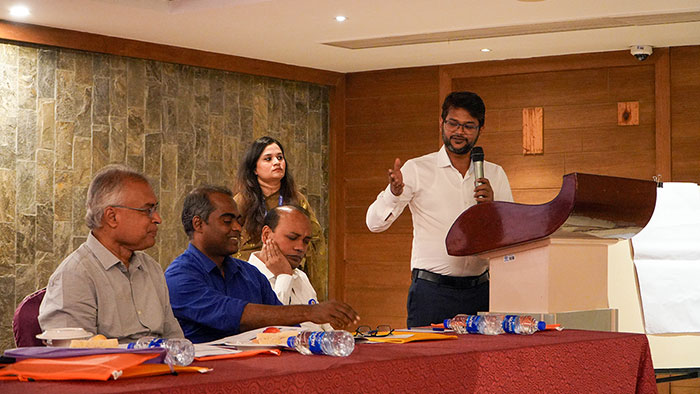
The presence of the Honorable Additional RRRC, the Health Coordinator (RHU), and other distinguished government officials enriched the discussions, fostering meaningful dialogue on advancing decentralized NCD service delivery in Cox’s Bazar.
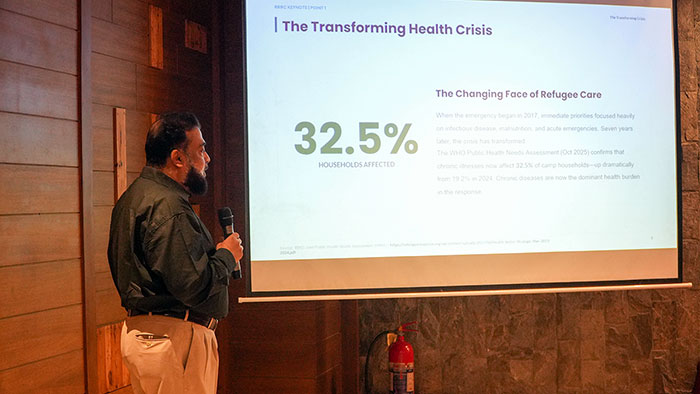
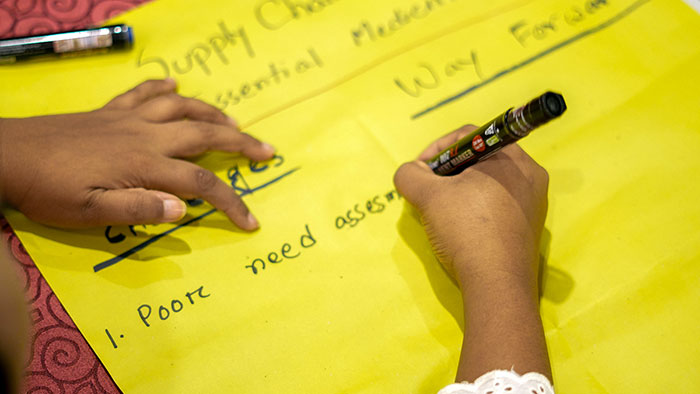
Key discussions highlighted the importance of:
- Decentralized and community-based service delivery
- Strong community engagement
- Integrated referral pathways
- Digital health information systems
- Multi-stakeholder collaboration for sustainable healthcare solutions
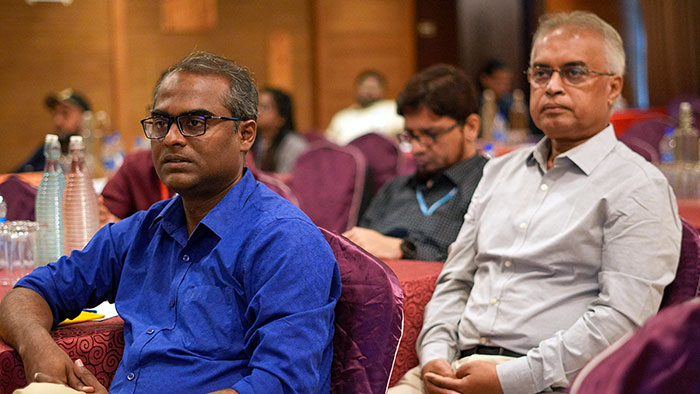
YPSA extends its heartfelt gratitude to our distinguished Chief Guest, Special Guests, keynote speakers, technical experts, government representatives, development partners, and all participants for their valuable insights and active engagement. Your commitment and collaboration continue to drive innovative, equitable, and accessible healthcare solutions for communities most in need.