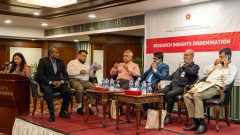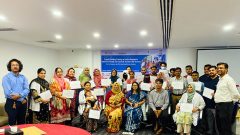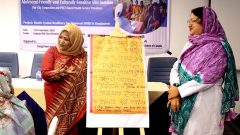
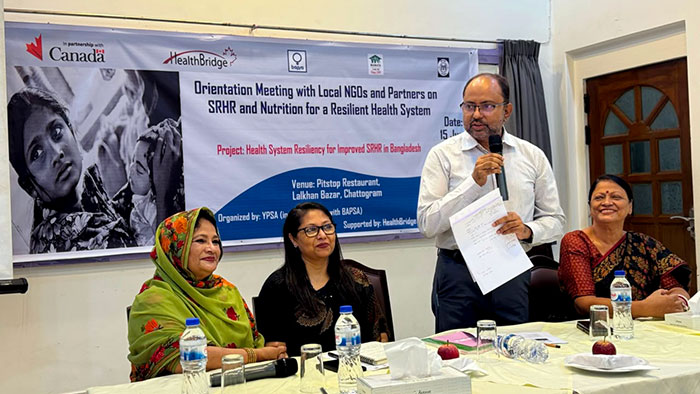
YPSA organized an orientation meeting with local NGOs and partners focusing on Sexual and Reproductive Health and Rights (SRHR) and nutrition for a resilient health system. The event took place at the Pitstop Seminar Hall in Chattogram on June 15.
The initiative is part of the project “Health System Resiliency for Improved Health in Bangladesh,” jointly implemented by BAPSA, MAMATA, and YPSA, with support from Global Affairs Canada and the HealthBridge Foundation of Canada.
The meeting drew spontaneous participation from representatives of leading non-governmental development organizations operating in the region, including Mamata, Marie Stopes, Ghasful, Surjer Hashi Clinic, BRAC, Bright Bangladesh, Caritas Bangladesh, and Swapneel.
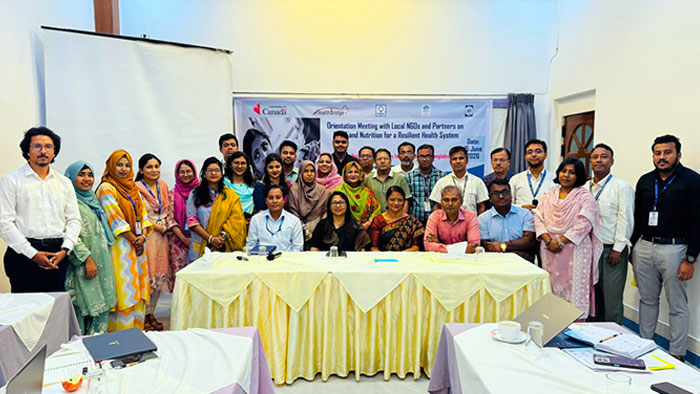
Dr. Sheikh Fazle Rabbi, Director (Directorate General of Health Services – Chattogram), graced the event as the Chief Guest, while Dr. Imam Hossain Rana, Chief Health Officer of the Chattogram City Corporation, attended as a special guest. Other notable attendees included Nasim Banu (Director of YPSA’s Social Development Department), Swapna Talukdar (Senior Program Director and Coordinator of Mamata), and Shamima Chowdhury (Team Leader of the SRHR Project).
During the orientation, participants engaged in detailed discussions regarding the complex challenges and critical opportunities within Chattogram’s healthcare system. The conversation focused sharply on the needs of vulnerable areas in the region, highlighting the urgent necessity of overcoming resource crunches by addressing acute manpower and financial shortages within government health services. Attendees emphasized expanding public healthcare by broadening the scope of services at government medical centers, while clearly defining the supportive, collaborative role that NGOs must play.
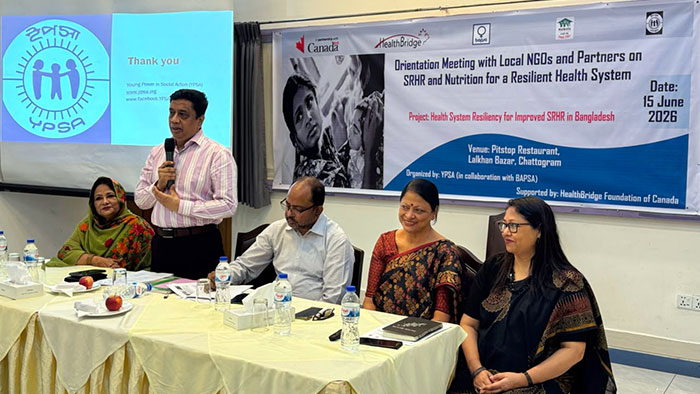
Furthermore, a major point of discussion was strengthening mutual connections and coordination through a referral network, ensuring that local communities can easily access necessary healthcare services and reliable medical information. To ground these discussions, Nasim Banu and Shamima Chowdhury delivered a comprehensive PowerPoint presentation detailing YPSA’s active project initiatives, followed by an impactful keynote address from the Chief Guest, Dr. Sheikh Fazle Rabbi.
Looking forward, the project outlines an ambitious roadmap to significantly improve community health throughout the Chattogram City Corporation area. A core pillar of this initiative is youth outreach, aiming to reach over 100,000 adolescents with critical SRHR awareness messages. This will be achieved by conducting approximately 1,200 monthly sessions led by a dedicated network of 150 trained Peer Educators.
In terms of direct impact, the project is structured to deliver essential reproductive health services straight to 800,000 beneficiaries through the coordinated efforts of local stakeholders. This will be paired with deep community engagement, featuring widespread localized awareness campaigns that include over 1,400 courtyard meetings, targeted parent awareness workshops, and school programs designed to actively engage both teachers and students.
The orientation concluded on a high note, with participants thanking the organizers for hosting such a timely, practical, and action-oriented discussion while pledging their maximum cooperation to ensure its successful implementation at the community level.