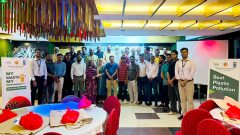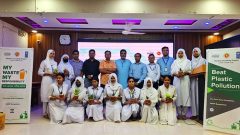
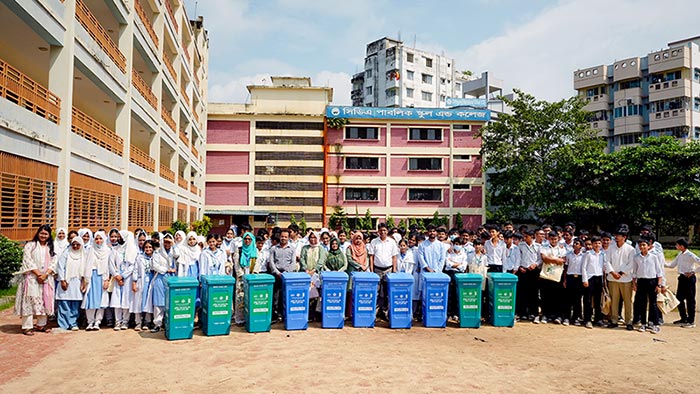
More than 400 students and teachers in Chattogram have taken a strong commitment to reduce plastic pollution, practice responsible waste management, and contribute to a cleaner and more sustainable environment. As part of this effort, the Plastics Circularity Project organized an interactive Environmental Stewardship Campaign on 7–8 September 2026 at Kadam Mubarak City Corporation High School and CDA Public School and College in Chattogram.
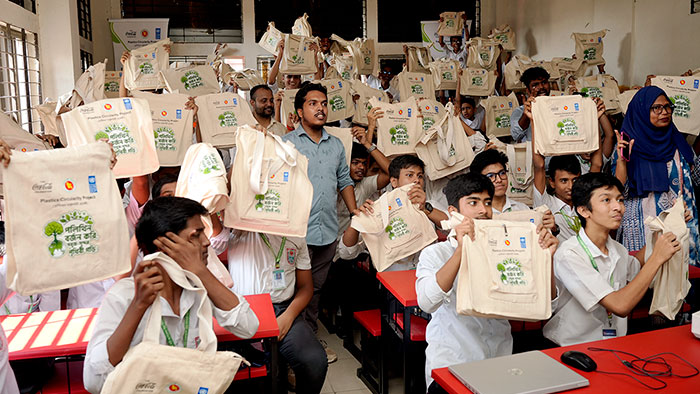
Plastic has become an essential part of everyday life, but its improper disposal is creating growing environmental challenges. Plastic waste is increasingly affecting streets, drains, canals, rivers, and communities, while discarded single-use plastics can remain in the environment for many years. The campaign emphasized that addressing plastic pollution requires more than simply cleaning up waste after it has been discarded. Real and lasting change begins with responsible consumption, proper waste segregation, collection, and recycling. Through interactive presentations and engaging “Rapid Fire” quizzes, students learned how to distinguish biodegradable waste from recyclable materials and why proper segregation is essential for recycling and a circular economy.
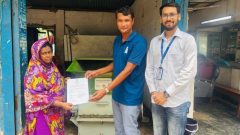
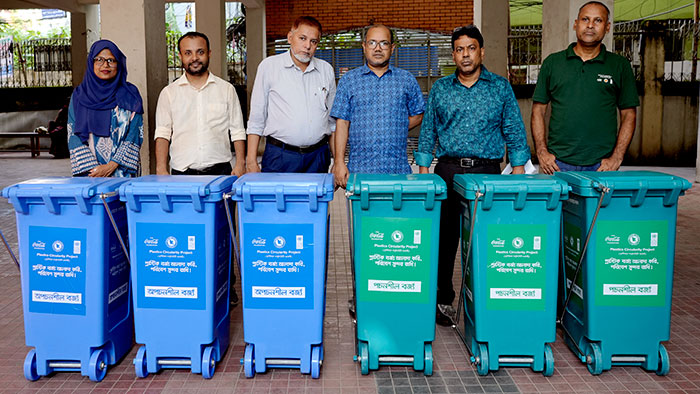
To help students transform their learning into everyday practice, separate waste bins were provided to the participating educational institutions. The campaign also encouraged the schools to introduce regular student-led “Cleaning Days”, creating opportunities for students to take ownership of their school environment. A practical connection was also established between the educational institutions and local waste collectors. The collectors will regularly collect segregated plastic waste from the schools, helping ensure that recyclable materials are channeled into the recycling system rather than being discarded into the environment. This approach connects awareness, behavior change, waste segregation, collection, and recycling turning a simple school activity into a practical example of plastic circularity.
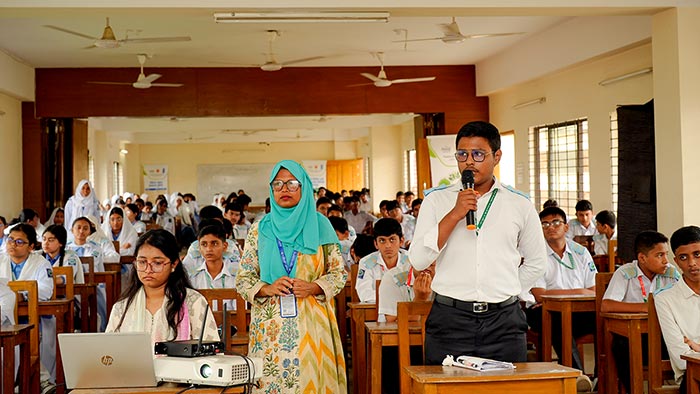
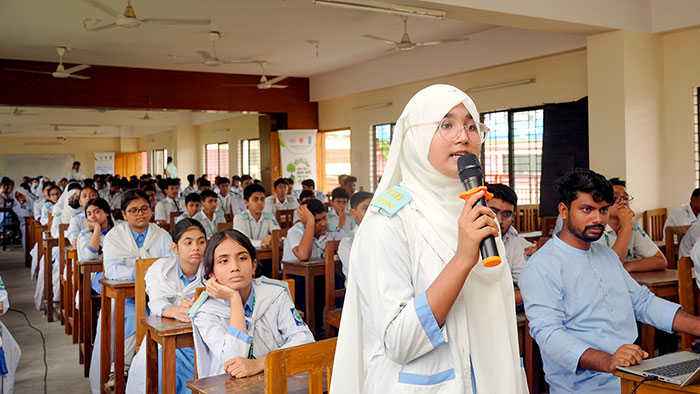
One of the most inspiring moments of the campaign was the students’ active participation in sharing their own ideas for reducing and managing plastic waste. The students then took a solemn pledge to:
- Stop littering and dispose of waste responsibly;
- Reduce the use of single-use plastics;
- Choose environmentally friendly alternatives;
- Practice proper waste segregation;
- Encourage their families and peers to adopt responsible waste-management practices; and
- Protect their local environment.
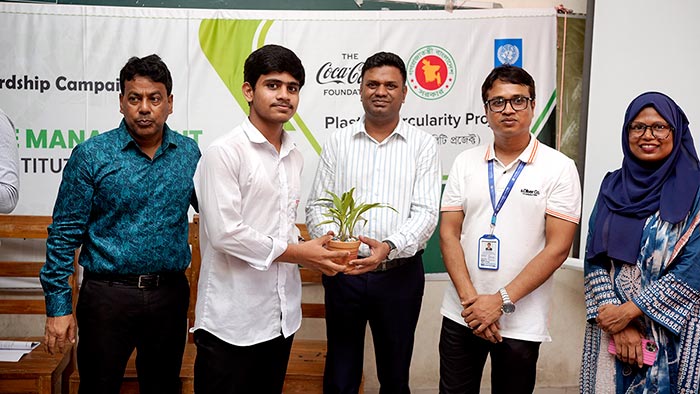
To celebrate their enthusiasm and commitment, winners of the Rapid-Fire quiz were presented with live potted plants, symbolizing their responsibility to nurture and protect the environment.
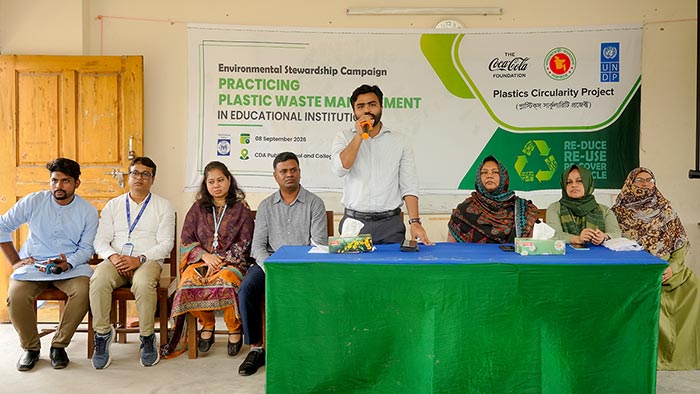
Young people are powerful agents of environmental change. When students adopt responsible environmental practices, those habits can extend beyond the classroom to their families, friends, and wider communities. The Chattogram campaign is the first of four planned student campaigns under the Plastics Circularity Project. The initiative aims to build a generation of environmentally conscious young people who understand that plastic should not simply be treated as waste it can be a valuable resource when properly collected, segregated, and recycled. The participation of approximately 400 students and teachers demonstrates that meaningful environmental action can begin with simple changes in everyday behavior.
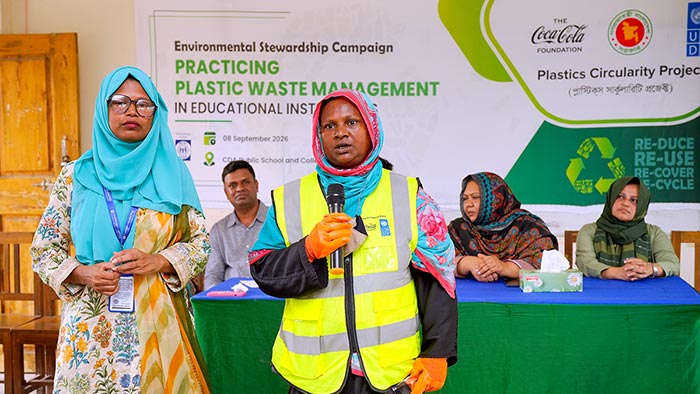
The campaign sends a clear message: every bottle properly segregated, every piece of plastic kept out of a drain, and every responsible choice can contribute to a cleaner future. The students of Chattogram have taken their first step. Their commitment demonstrates that when young people are empowered with knowledge, practical tools, and opportunities to act, they can become powerful champions of environmental stewardship.
The Plastics Circularity Project is funded by The Coca-Cola Foundation and implemented by the United Nations Development Programme (UNDP). Young Power in Social Action (YPSA) is the local implementing partner supporting project activities in Chattogram, Cox’s Bazar, and Tangail.